
The Xapi Community is a vibrant network of Xapi Platform users from around the globe: collaborating, innovating, and advancing together towards a more robust API design and governance ecosystem.

Copyright © 2026 X-Venture. All Rights Reserved.


Prabath Ariyarathna
13 February 2026
|3 min read
In today's rapidly evolving digital landscape, organizations are constantly striving to accelerate development, enhance their offerings, and maintain a competitive edge. A critical, yet often overlooked, aspect of achieving these goals lies in the ability to truly see and understand digital assets.
As the saying goes, "You can't govern what you can't see," and this rings particularly true in the complex world encompassing data, APIs, and AI. One of the most significant challenges many organizations face, regardless of their size, is a lack of comprehensive awareness regarding the digital assets they possess. These assets are often scattered across different departments or siloed based on domain — think data teams, API teams, and now, increasingly, AI initiatives.
This lack of visibility has tangible and detrimental impacts on an organization:
Without a clear picture of all available assets, decisions can be misinformed, leading to ineffective strategies and wasted resources.
Organizations often create duplicate assets or spend valuable time on tasks that could be streamlined if existing resources were easily discoverable.
Innovation thrives on interconnectedness. If teams can't quickly identify and integrate with existing systems and digital assets, bringing new technologies to market becomes a slow, arduous process.
Meeting regulatory standards and industry compliance becomes a significant hurdle when there is a lack of clear inventory and understanding of digital assets and their associated policies.
At the heart of digital assets, data stands as the most valuable asset. APIs act as the crucial conduits, exposing this data to external systems and within internal architectures. And with the rapid advancements in technology, AI systems are becoming increasingly vital, relying heavily on data for training and optimization. These are not isolated components; they are deeply interconnected. To truly leverage one, clear visibility into the others is essential.
While some organizations attempt to achieve visibility through silo-based approaches (e.g., separate visibility for data, APIs, and AI), this often creates new visibility gaps across these domains. The real power comes from a holistic solution — one that provides a comprehensive view of all digital assets, their interrelationships, associated compliance policies, and how they evolve over time.
Implementing such a holistic approach yields significant benefits:
When everyone can easily see and understand the available digital assets, workflows become more streamlined and efficient.
Quick access to information about existing assets and their connections empowers teams to innovate faster and bring new products to market more rapidly.
Top-level management gains the crucial insights needed to make well-informed strategic decisions, leading to better outcomes for the entire organization.
It is imperative that organizations champion this cause. The focus needs to be on breaking down existing silos and bringing all digital assets into a unified, visible framework. This isn't just about governance; it's about unlocking the full potential for innovation, efficiency, and sustained growth in a data-driven, API-powered, and AI-enhanced world.
API Design
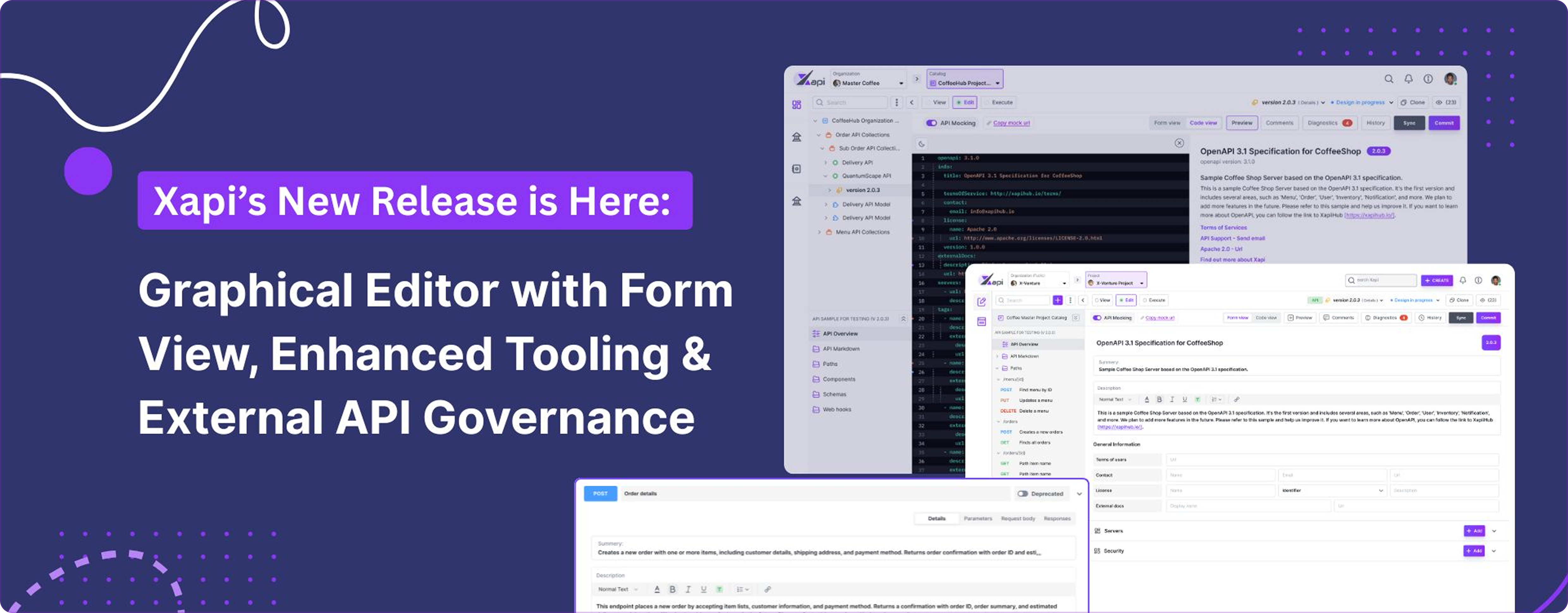
We're thrilled to unveil our latest Xapi platform update, bringing a more intuitive API design experience, tooling enhancements, and a smarter way to govern externally designed APIs. These new capabilities make API design and governance more accessible, more powerful, and more flexible than ever before.

Shamali Sathindra
8 April 2025
Read More

API Design
Every organization wants well-designed APIs, but the key is turning business needs into carefully crafted APIs that perfectly match their main business objectives.
Prabath Ariyarathna
17 February 2025
Read More
API Design
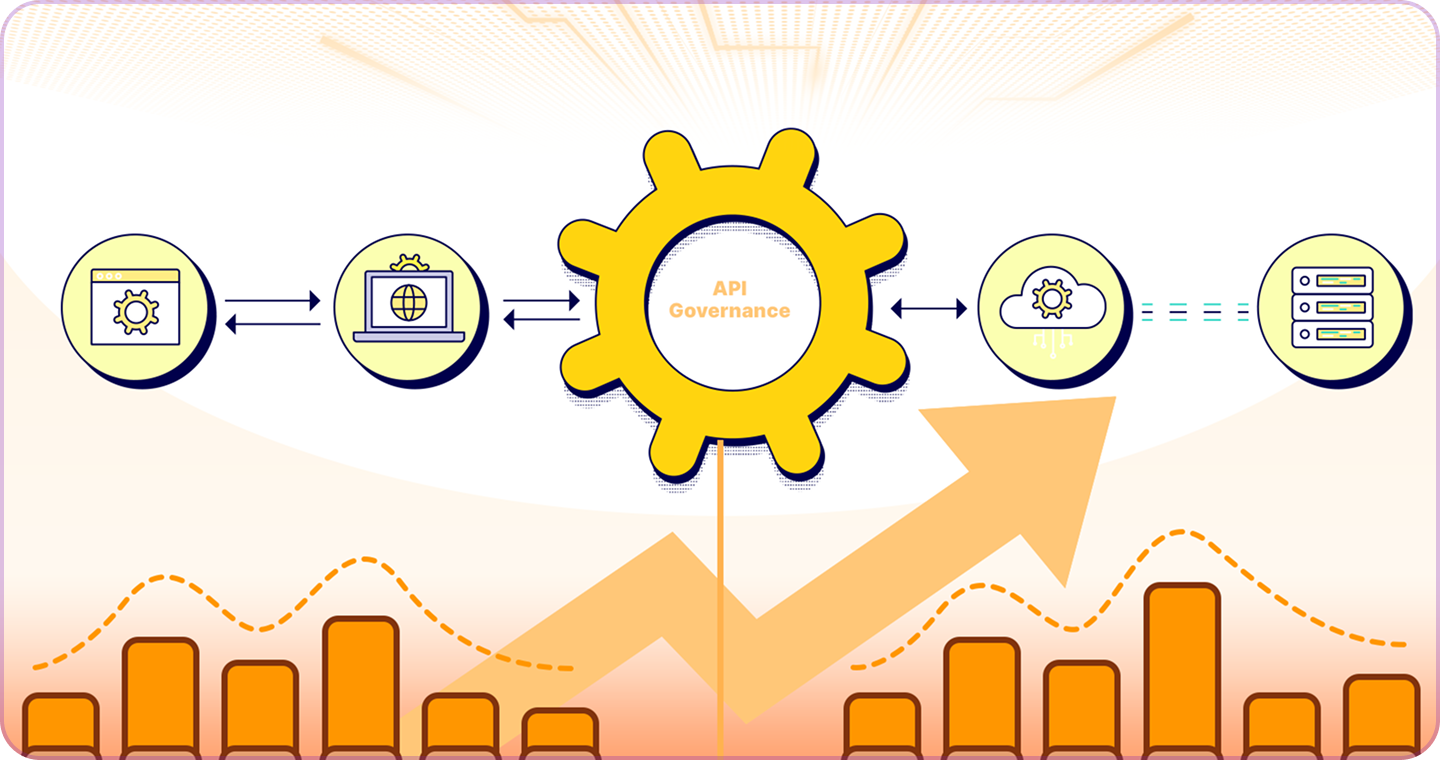
In today’s fast-paced digital world, an Application Programming Interface (API) is the silent force behind complex enterprise systems and mobile applications, among others. For organizations, APIs act as connectors between their internal systems, external partners, and third-party applications for easy integration.To manage this growing API ecosystem, **API governance tools** have become essential. The failure to utilize these tools to comply with regulatory norms, and increase security is a business opportunity that most organizations ignore. In this blog, we will examine how these governance tools help in scaling, streamline operations, cost-effective development, and encouraging creativity towards growth.

Oshini Dinethrie Wijewickrama
20 January 2025
Read More


