
The Xapi Community is a vibrant network of Xapi Platform users from around the globe: collaborating, innovating, and advancing together towards a more robust API design and governance ecosystem.

Copyright © 2026 X-Venture. All Rights Reserved.

Chavinda Rashmika
18 August 2023
|3 min read
Explore the key REST API architectural styles and design patterns that help build scalable, maintainable, and efficient web services.....
Representational State Transfer (REST) has emerged as the most popular architectural style for designing Application Programming Interfaces (APIs). REST provides a set of guidelines and constraints that promote scalability, simplicity, and modifiability in web services. In this blog, we will dive into the different architectural styles and design patterns used in REST API designs.
REST is an architectural style that defines a set of constraints for designing networked applications. APIs that conform to the REST constraints and principles are popularly known as RESTful APIs.
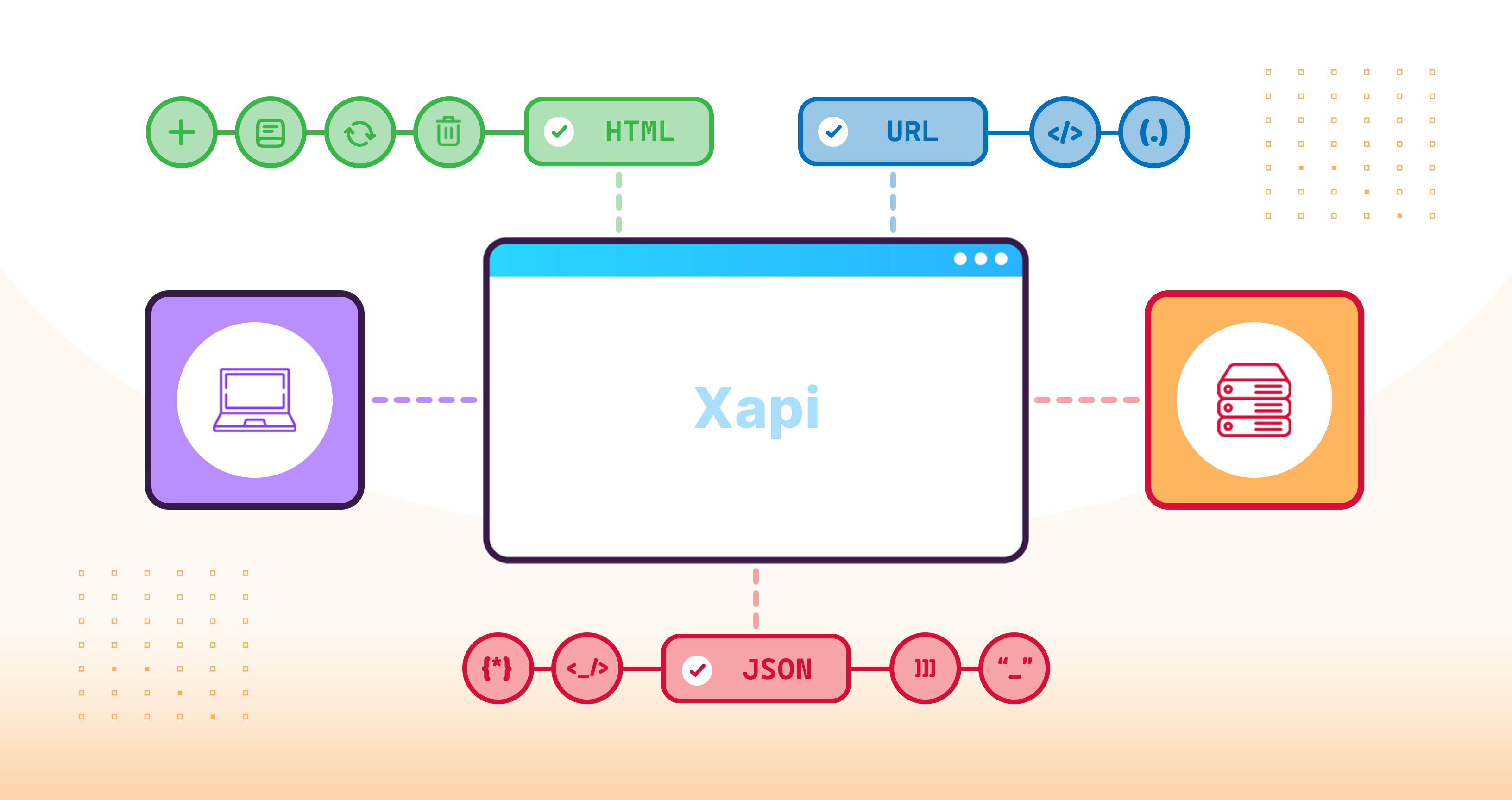
RESTful APIs use HTTP methods such as GET, POST, PUT, and DELETE to perform Create, Read, Update, Delete (CRUD) operations on resources that are represented as URLs. These APIs transfer data in a stateless manner, meaning each request from a client to the server must contain all the information needed to understand and process it.
While architectural styles describe a set of principles and practices that provide an abstract framework for system structure, design patterns provide template solutions that address common problems. REST API architectural styles and design patterns play a significant role in creating efficient, scalable, and maintainable web services. Below are the main architecture styles and design patterns that are used in REST API designs.
The layered architectural style involves organizing the API into multiple layers, each responsible for specific functions. This promotes the separation of concerns, making the system more maintainable and scalable. Common layers include presentation, business logic, and data storage.
In this style, the client and server act as separate entities that communicate over a network. The client is responsible for the user interface, while the server handles the application's core functionality and data storage. This separation allows for better scalability and independence of concerns.
Following the resource-based principle, this style focuses on designing APIs around resources and their interactions. Each resource is assigned a unique URL, and clients interact with these resources using standard HTTP methods.
The repository pattern abstracts the data access layer from the rest of the API. It provides a consistent interface for data storage operations, making it easier to switch between different data sources without affecting the higher layers.
The singleton pattern ensures that a class has only one instance and provides global access to it. In REST APIs, this can be used for global configurations or shared resources.
When dealing with large collections of resources, pagination is essential to improve API performance. Clients can request subsets of data using parameters like "limit" and "offset".
Understanding these REST API architectural styles and design patterns is crucial for developers to build robust and efficient APIs. By following these architectural styles and design patterns, APIs can be designed in a more scalable and modifiable fashion.
Share Article

API Design
Every organization wants well-designed APIs, but the key is turning business needs into carefully crafted APIs that perfectly match their main business objectives.

Prabath Ariyarathna
17 February 2025
Read More
API Design
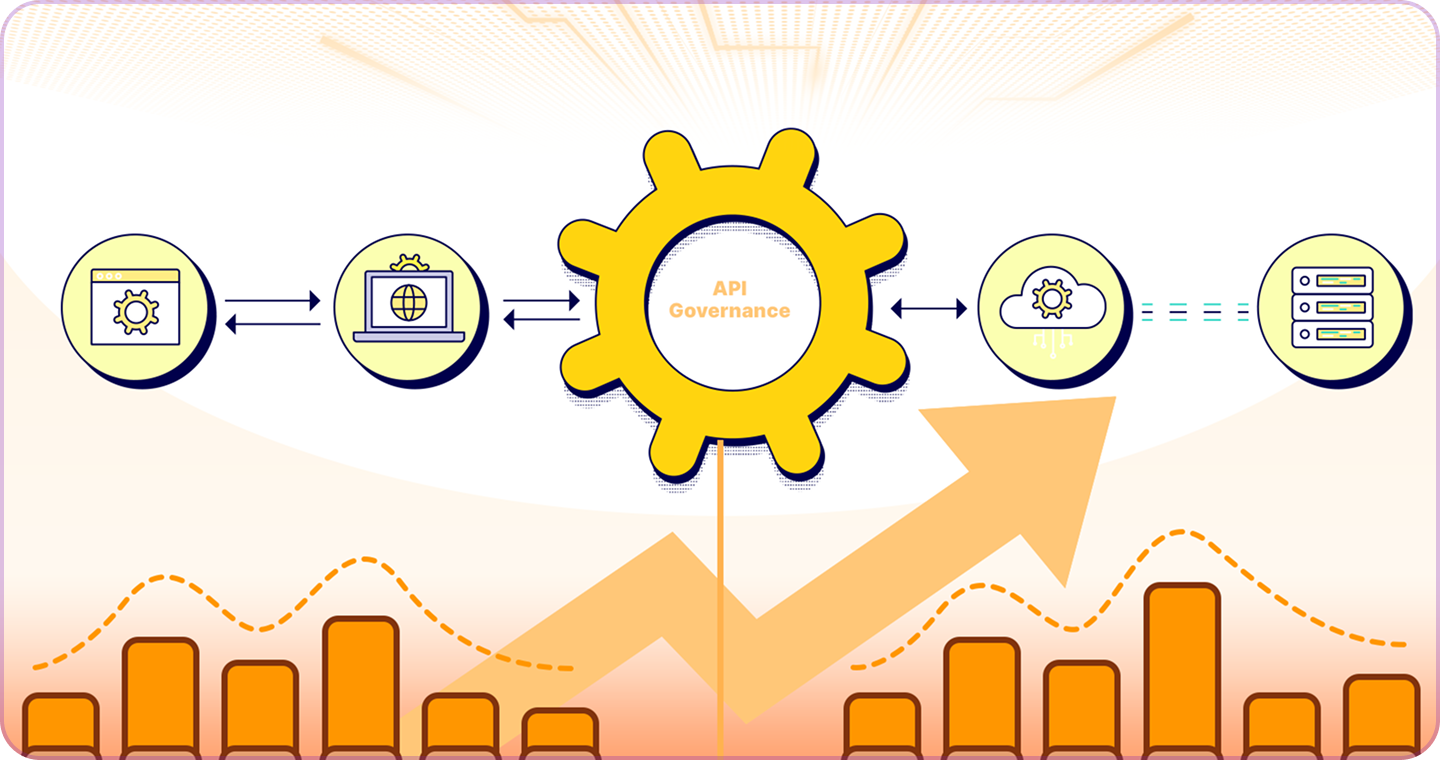
In today’s fast-paced digital world, an Application Programming Interface (API) is the silent force behind complex enterprise systems and mobile applications, among others. For organizations, APIs act as connectors between their internal systems, external partners, and third-party applications for easy integration.To manage this growing API ecosystem, **API governance tools** have become essential. The failure to utilize these tools to comply with regulatory norms, and increase security is a business opportunity that most organizations ignore. In this blog, we will examine how these governance tools help in scaling, streamline operations, cost-effective development, and encouraging creativity towards growth.

Oshini Dinethrie Wijewickrama
20 January 2025
Read More
API Design
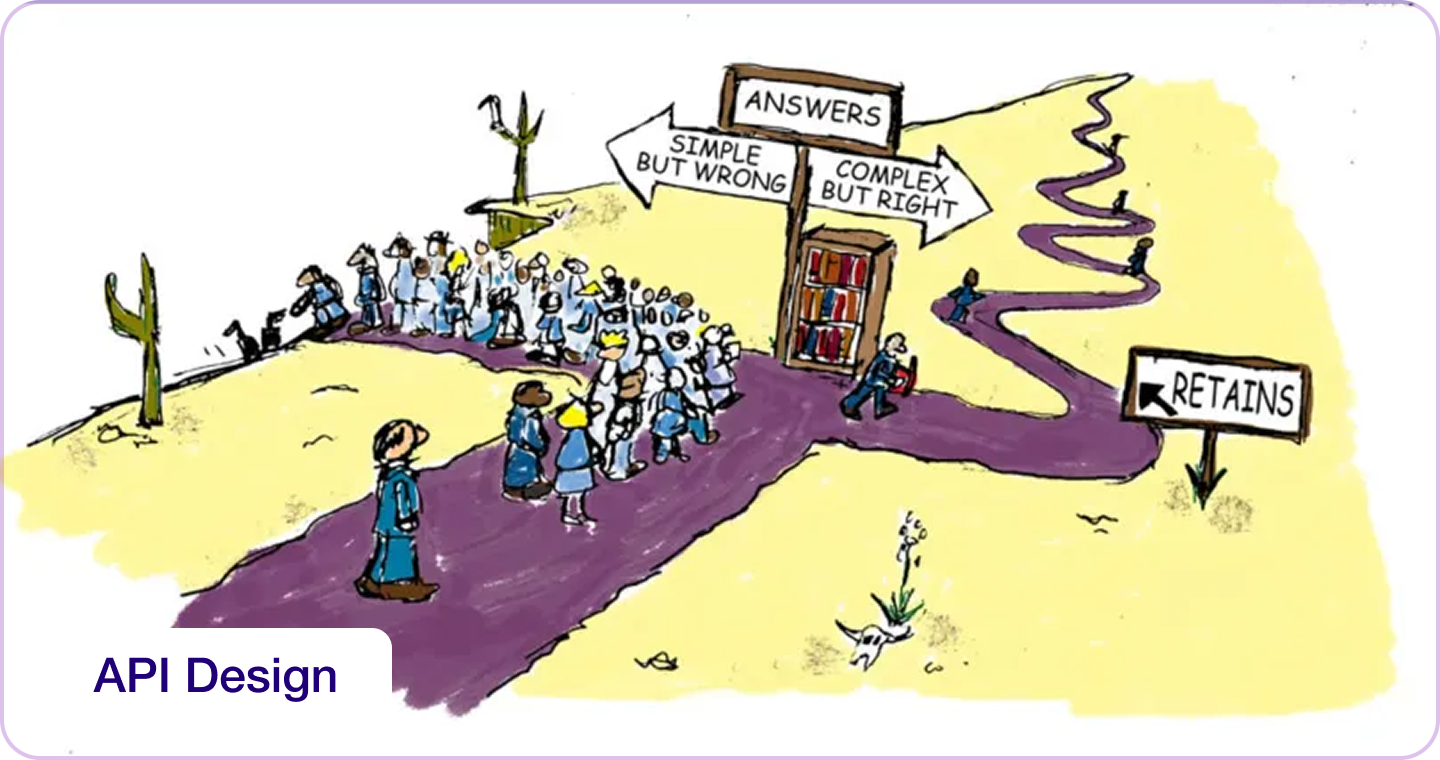
There is a common myth that good APIs are hard, but bad APIs are easy. But is that true? Let’s see how true this is. In this article, we will only focus on whether an API is good or bad based on its design. There could also be other reasons in other parts of the API lifecycle.
Prabath Ariyarathna
15 January 2025
Read More


