
The Xapi Community is a vibrant network of Xapi Platform users from around the globe: collaborating, innovating, and advancing together towards a more robust API design and governance ecosystem.

Copyright © 2026 X-Venture. All Rights Reserved.


Prabath Ariyarathna
17 February 2025
|10 min read
Every organization wants well-designed APIs, but the key is turning business needs into carefully crafted APIs that perfectly match their main business objectives.
Prior to initiating any design process, it is imperative to grasp the intricacies of business objectives. Effective collaboration with key business stakeholders is essential to gain insights into the organization’s overarching strategy and specific business goals. Furthermore, it is crucial to factor in emerging technological advancements, analyze market and industry trends, adhere to regulatory and compliance requirements, and conduct a thorough evaluation of competitor APIs. This holistic approach ensures that the design aligns seamlessly with the broader business landscape and is well-positioned to address the dynamic challenges of the industry.
API maturity across organizations varies, influencing corresponding business objectives. The higher an organization’s maturity level, the more emphasis is placed on treating APIs as first-class citizens. In this elevated status, all functional requirements naturally become integral components of the API, with non-functional requirements being the exception. Conversely, at lower maturity levels, the emphasis shifts to extracting specific integration requirements from the broader business context, tailoring the focus to essential elements crucial for seamless system connectivity.
After receiving the business requirements, various approaches can be employed to model business logic, such as domain-driven design and event storming…etc. Once the business logic is modeled, the next step is to expose APIs, and this can be achieved through different API styles, determined by the organization’s preferences. These styles are grounded in diverse design concepts, each addressing unique concerns. Consequently, the final design outputs are influenced by the chosen API styles.
For instance, if the organization opts for a RESTful API style, the design will revolve around resource-oriented principles and HTTP methods. On the other hand, if GraphQL is chosen, the design will emphasize a flexible and client-centric approach to data retrieval. The choice of API style significantly shapes how data is structured, accessed, and interacted with, ultimately impacting the overall system architecture.
API maturity levels serve as a reflection of an organization’s current stance or requirements concerning its APIs. These levels significantly influence the strategic approach and business objectives associated with API development. Consider, for example, a scenario where an organization possesses a lower API maturity level. In such cases, the emphasis might be on building APIs as ad-hoc integration tools, without a robust long-term plan. Conversely, at a higher maturity level, organizations view APIs as products, with comprehensive strategic plans in place.
This divergence in mindset directly impacts API designs. Organizations treating APIs as products often prioritize features such as reusability, robust design principles, and comprehensive documentation. In contrast, those at lower maturity levels might focus more on addressing specific integration scenarios with minimal development effort, potentially sacrificing design sophistication and overall quality.
While these patterns may not be universally applicable, they are frequently observed in the API landscape. Recognizing and understanding an organization’s API maturity level is crucial for tailoring development strategies that align with its overarching business goals and aspirations.
Develop a comprehensive system for our coffee shop to streamline operations and enhance customer experience. The system should enable online ordering, seamless menu management, and real-time order tracking. Customers should be able to browse, customize, and pay for orders with ease. The system should offer insights into customer preferences and sales trends, facilitate customer account management, and integrate seamlessly with the point of sale system. The objective is to create a scalable and user-friendly solution, ensuring efficiency and delight for both customers and staff.
In the development of a RESTful API for our coffee shop system, identifying resources is foundational. Through collaboration with stakeholders, entities like ‘Menu Items’ and ‘Orders’ are discerned. A concrete example is ‘Menu Items’ emerging as a key resource. Understanding relationships, such as an ‘Order’ comprising multiple ‘Menu Items,’ shapes the API structure. If placing orders is central, ‘Order’ becomes a primary resource. This step involves thinking in clear nouns, resulting in resource names like /menu or /orders. Regular validation with stakeholders ensures alignment with the goal of creating an efficient, user-friendly system. This iterative process guarantees the API mirrors our coffee shop’s dynamic operations faithfully.
Once resources are identified, the next step is to establish clear Uniform Resource Identifiers (URIs) for each resource. ‘/menu’ becomes the URI for ‘Menu Items,’ and ‘/orders’ for ‘Orders’. This deliberate naming contributes to API clarity, enabling seamless interaction. URIs directly reflect identified resources and shape the user experience. Regular validation ensures consistency with the evolving coffee shop system.
To further refine the API, associate appropriate HTTP methods with each resource. For instance, use GET for retrieving menu items (/menu) and orders (/orders), POST for creating orders, PUT or PATCH for updating orders, and DELETE for removing orders. The careful application of HTTP methods aligns with the CRUD operations essential for effective resource management.
Design the data representation for each resource. For ‘Menu Items,’ it could include attributes like ‘id,’ ‘name,’ ‘description,’ and ‘price.’ ‘Orders’ may encompass ‘orderId,’ ‘items,’ and ‘status.’ Structuring resources with clear attributes ensures a consistent and understandable representation.
Define relationships between resources. In the ‘Orders’ resource, establish links to ‘Menu Items’ through their identifiers, illustrating the connection between orders and menu items. This establishes coherence and enables efficient navigation through related resources.
Implement clear HTTP status codes to signify the outcome of API operations. For instance, respond with 200 OK for successful retrievals, 201 Created for successful creations, and 404 Not Found for non-existing resources. Proper status codes enhance communication between the API and its users.
Adopt the OpenAPI Specification as the standard for API documentation. This industry-standard format provides a clear and machine-readable description of the API, including details on endpoints, request and response formats, authentication methods, and more. Utilizing OpenAPI Specification ensures consistency, improves developer understanding, and facilitates seamless integration into various development tools and platforms. It serves as a comprehensive guide for developers, stakeholders, and users, promoting effective utilization and minimizing potential issues.
By incorporating these elements, the API design for our coffee shop system becomes not only well-defined but also robust, user-friendly, and aligned with business goals. Regular validation and refinement, coupled with comprehensive OpenAPI Specification documentation, contribute to the overall success and usability of the API.
An enhanced API governance process is essential for maintaining superior APIs, enabling organizations to align their APIs seamlessly with the overarching business strategy. This ensures a more robust framework for managing and optimizing API usage, fostering coherence and strategic alignment with organizational goals.
The API review process serves as a critical mechanism for evaluating API designs from both business and technical perspectives. Organizations benefit from establishing clear API design standards, providing guidelines for designers and facilitating comprehensive reviews to ensure alignment with these standards. This proactive approach enhances the quality and consistency of API implementations.
The Xapi platform excels in streamlining the complete API design process, encompassing requirement gathering, governance, design, and thorough review. Notably, it goes beyond by seamlessly sharing the API with consumers, fostering a continuous feedback loop. This iterative engagement with API consumers ensures ongoing improvements to API designs, creating a dynamic and user-centric development environment.
Share Article

API Design
In today's rapidly evolving digital landscape, organizations are constantly striving to accelerate development, enhance their offerings, and maintain a competitive edge. A critical, yet often overlooked, aspect of achieving these goals lies in the ability to truly see and understand digital assets.
Prabath Ariyarathna
13 February 2026
Read More
API Design
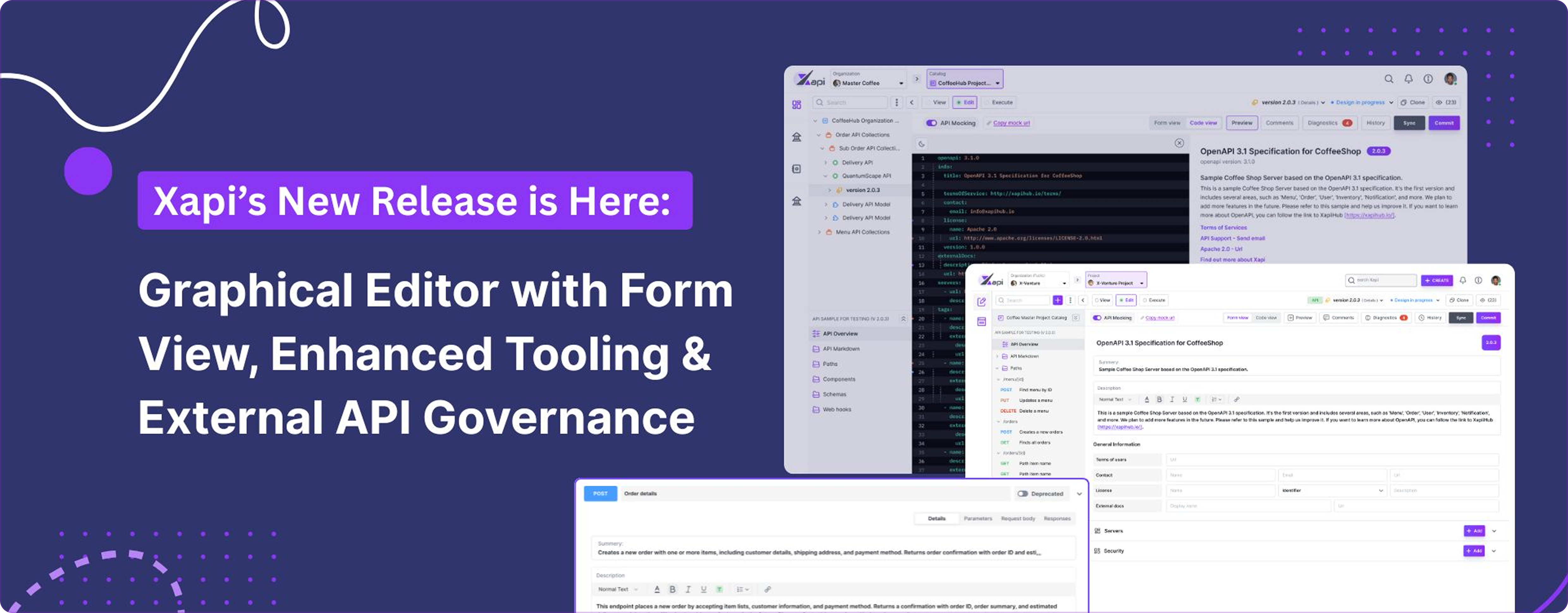
We're thrilled to unveil our latest Xapi platform update, bringing a more intuitive API design experience, tooling enhancements, and a smarter way to govern externally designed APIs. These new capabilities make API design and governance more accessible, more powerful, and more flexible than ever before.

Shamali Sathindra
8 April 2025
Read More
API Design
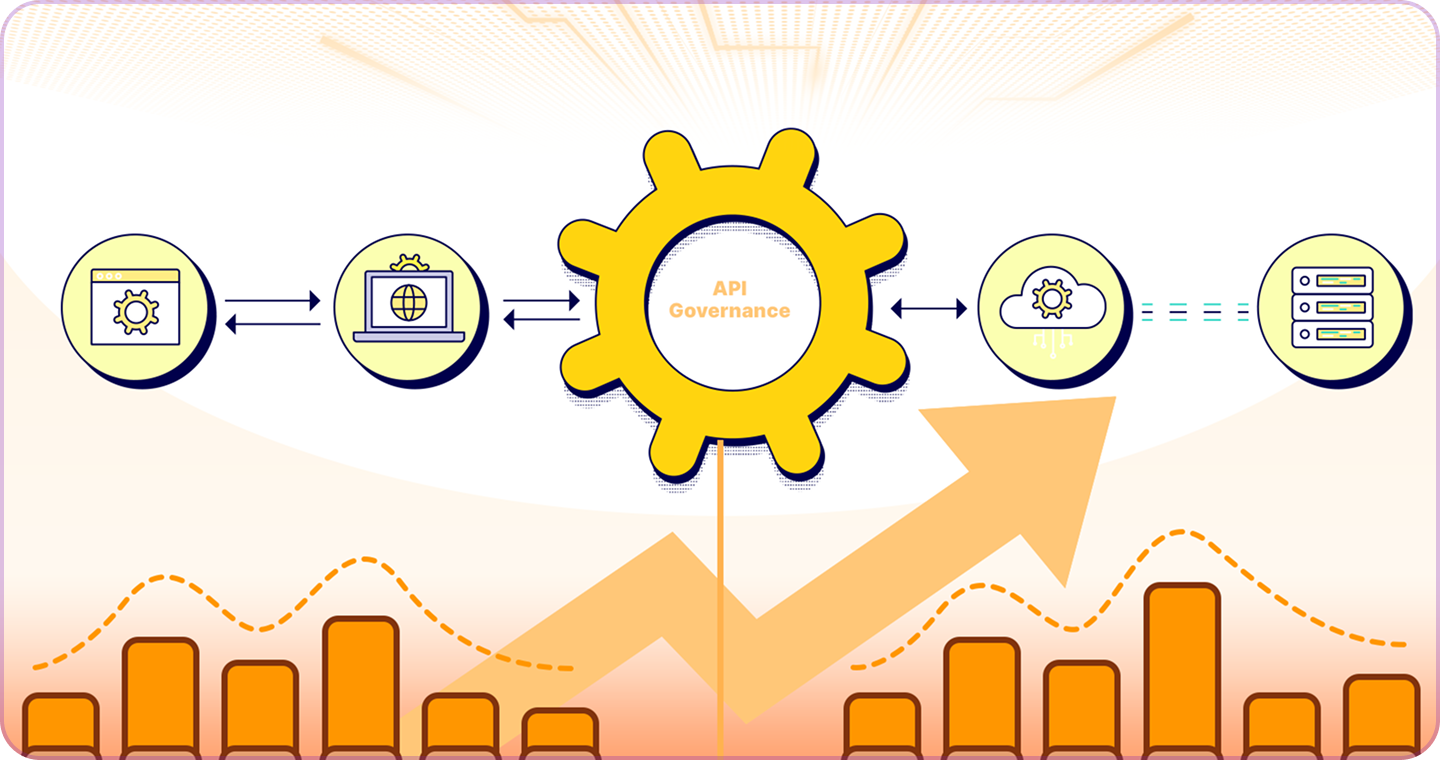
In today’s fast-paced digital world, an Application Programming Interface (API) is the silent force behind complex enterprise systems and mobile applications, among others. For organizations, APIs act as connectors between their internal systems, external partners, and third-party applications for easy integration.To manage this growing API ecosystem, **API governance tools** have become essential. The failure to utilize these tools to comply with regulatory norms, and increase security is a business opportunity that most organizations ignore. In this blog, we will examine how these governance tools help in scaling, streamline operations, cost-effective development, and encouraging creativity towards growth.

Oshini Dinethrie Wijewickrama
20 January 2025
Read More


