
Govern your Data, APIs and AI. Stay compliant. Xapi brings governance and compliance together in one unified platform.


Copyright © 2026 X-Venture. All Rights Reserved.


Navodya Sankalani
26 June 2024
|5 min read
A REST API style guide is a set of conventions and best practices designed to help developers create, maintain, and consume RESTful web services consistently. These conventions and best practices help ensure that APIs are easy to understand, use, and maintain by providing a clear, consistent structure.
As the usage of REST APIs grows, so does the complexity of managing them. When multiple developers work on the same project or when APIs need to be integrated with various external systems, inconsistencies can arise. These inconsistencies can lead to confusion, bugs, and increased maintenance costs. A REST API style guide provides a standardized approach to API development, ensuring that all developers adhere to the same principles and practices.
Clearly define how endpoints should be structured. This includes:
/users instead of /user./users/{userId}/orders.Specify the appropriate use of HTTP methods. For instance:
Use consistent naming conventions for endpoints, parameters, and data fields to improve readability.
Follow either camelCase or snake_case consistently across the API.
Define a standard approach for error responses.
Use appropriate HTTP status codes and provide meaningful error messages that help developers diagnose issues efficiently.
GET /menu HTTP/1.1
Host: pizzas.pizzashack.com
Accept: application/json
X-PizzaShack-API-Version: 1.0
Outline a versioning strategy to manage API changes and updates. This could involve:
/v1/users.Uniformity across all APIs makes it easier for developers to understand and use different APIs without relearning patterns.
Clean and predictable APIs are easier to read and understand, reducing cognitive load for developers.
New developers can get up to speed faster when APIs follow a well-documented style guide.
Consistent APIs are simpler to maintain and debug, leading to fewer errors and quicker resolutions.
Collaborate with your development team to establish standards that align with project needs and industry best practices.
Create comprehensive documentation outlining all aspects of the style guide, including examples and practical use cases.
Use tools and automation to enforce the style guide. Linting tools and API documentation generators can help ensure compliance.
Provide training for new and existing team members on the style guide.
Establish governance practices to ensure continuous adherence to the guide.
Some developers may resist adopting a new style guide. Address this by emphasizing long-term benefits and involving the team in the creation process.
Technology and best practices evolve. Regularly review and update the style guide to ensure it remains relevant and effective.
Implement checks and reviews to confirm that the style guide is followed consistently.
This may include code reviews, automated tests, and periodic audits.
A well-crafted REST API style guide is a cornerstone of effective API development. It fosters consistency, readability, and maintainability — reducing errors and enhancing the overall developer experience. By implementing and adhering to a comprehensive style guide, teams can build robust, scalable, and user-friendly APIs that stand the test of time.

API Design
In today's rapidly evolving digital landscape, organizations are constantly striving to accelerate development, enhance their offerings, and maintain a competitive edge. A critical, yet often overlooked, aspect of achieving these goals lies in the ability to truly see and understand digital assets.

Prabath Ariyarathna
13 February 2026
Read More
API Design
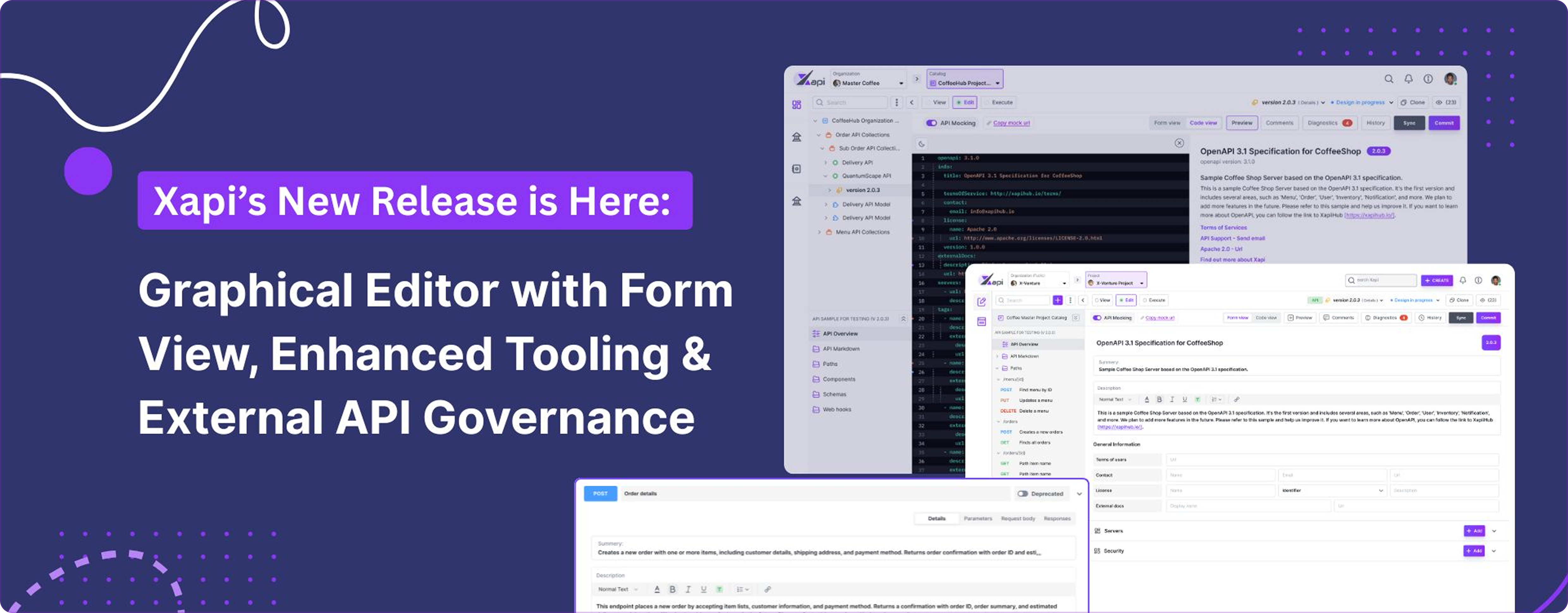
We're thrilled to unveil our latest Xapi platform update, bringing a more intuitive API design experience, tooling enhancements, and a smarter way to govern externally designed APIs. These new capabilities make API design and governance more accessible, more powerful, and more flexible than ever before.

Shamali Sathindra
8 April 2025
Read More

API Design
Every organization wants well-designed APIs, but the key is turning business needs into carefully crafted APIs that perfectly match their main business objectives.
Prabath Ariyarathna
17 February 2025
Read More


