
The Xapi Community is a vibrant network of Xapi Platform users from around the globe: collaborating, innovating, and advancing together towards a more robust API design and governance ecosystem.

Copyright © 2026 X-Venture. All Rights Reserved.

Prabath Ariyarathna
17 February 2025
|13 min read
Artificial Intelligence (AI) is a rapidly growing and highly relevant field that has captured the attention of a broad audience. Its popularity has soared, particularly due to initiatives like OpenAI, which have played a central role in shaping the conversation around AI. These advancements are bringing about revolutionary changes in various sectors. From simple tasks like drafting emails to complex processes involved in software development, and even fostering creative expressions in artwork, the impact of AI is far-reaching and multifaceted. The potential applications of AI continue to expand, promising exciting developments and transformative possibilities for the future.
AI offers numerous benefits that can be harnessed to streamline and optimize the API lifecycle. In this particular discussion, our main focus will be on the API design stage. By leveraging AI techniques, we can enhance the efficiency and effectiveness of API design processes.
The standard API design lifecycle stage refers to the typical stages or steps involved in designing an API. The following diagram represents the standard flow of the API design lifecycle. It's important to note that this flow can vary based on factors such as the size of the organization and the maturity of API design practices, among others. Let's discuss the typical stages involved in the standard API design lifecycle.
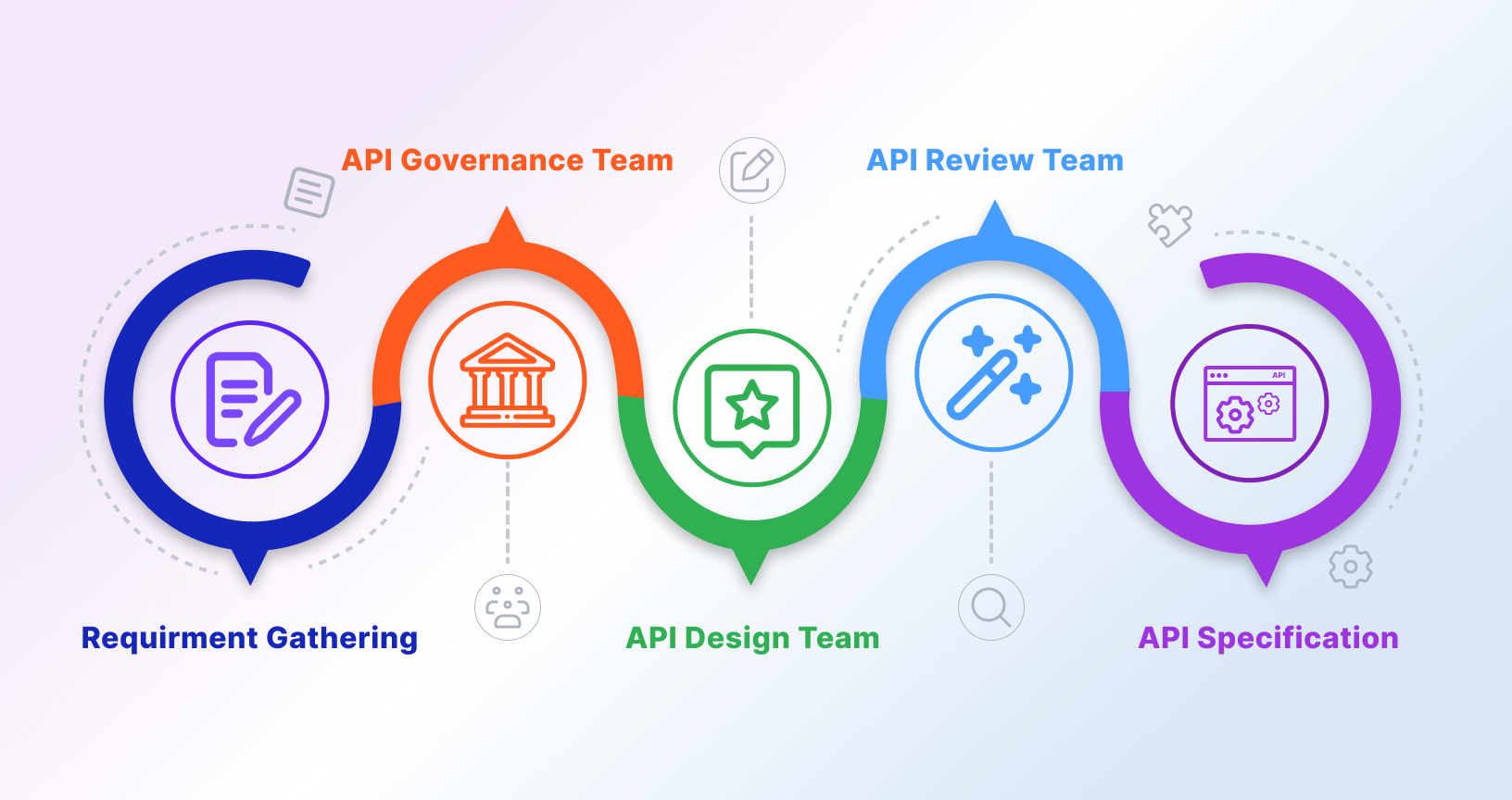
In this stage, the focus is on identifying and documenting the specific business requirements for the API. AI tools like ChatGPT can help capture and process natural language to reduce ambiguities and errors.
Once the requirements are gathered, the governance stage comes into play. Centralized platforms like Xapi can provide a holistic view of API programs. AI assists governance teams by analyzing scattered information and offering insights for better decisions.
The design stage is where the API is properly designed based on gathered requirements and governance decisions. Modern API tools combined with AI simplify design and documentation, enforce best practices, and maintain consistency across APIs.
The API review stage acts as a gatekeeping mechanism to maintain consistency and quality. AI models help identify issues, inconsistencies, and deviations during reviews, reducing manual effort and improving efficiency.
Finally, the API specification becomes available for use. This comprehensive documentation outlines the API's endpoints, request/response formats, error handling, and any specific guidelines for developers. It serves as a reference for smooth implementation.
Indeed, each stage of the API design process can present pain points and opportunities for improvement. Artificial intelligence (AI) can play a significant role in addressing these concerns and enhancing the overall API development experience. Here's an elaboration of the statement:
In the requirement-gathering phase, a significant challenge lies in the clear documentation of requirements and acceptance criteria to initiate the process effectively. Failing to capture and document this information accurately can lead to subsequent processes becoming entangled with incorrect or ambiguous details, resulting in potential issues.
When requirements and acceptance criteria are not clearly articulated and documented, it becomes challenging to ensure a shared understanding among stakeholders and the design team. This can lead to misinterpretation, misunderstandings, and ultimately, the delivery of an API that does not align with the intended purpose or meet user expectations.
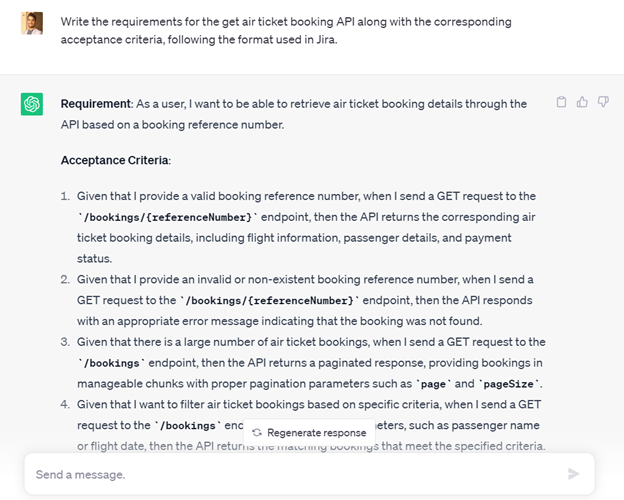
To address these points, general-purpose natural language processing (NLP) tools like ChatGPT or context-specific trained tools can be utilized at some level. These tools offer valuable capabilities in understanding and processing natural language, which can aid in various aspects of requirement gathering, documentation, and error handling in the API requirement process.
API governance is an essential part of the API development process. In this specific stage, the governance team holds the responsibility of making decisions based on business needs and the available APIs. The team determines the next steps, which could involve creating a brand new API, creating a new version with contract-breaking changes, modifying an existing API without creating a new version, or utilizing an existing API as it is. To make informed decisions, the team requires a holistic view of the API program.
However, many organizations face challenges in maintaining API-related discussions and documents. These valuable resources are often scattered across different locations, making it a cumbersome and time-consuming process to find the proper details. This scattered information can hinder the decision-making process and slow down progress.
To address the challenge of scattered API-related discussions and documents and enable better decision-making, organizations should consider implementing a centralized platform such as Xapi. This platform should provide a holistic view of the API program, allowing the governance team to access and review all relevant information in one place.
Furthermore, artificial intelligence (AI) can play a valuable role in optimizing this process. By continuously gathering knowledge from various sources, AI can provide constructive feedback and insights to assist the governance team. AI can act as an API governance assistant, offering requested information and recommendations to support decision-making.
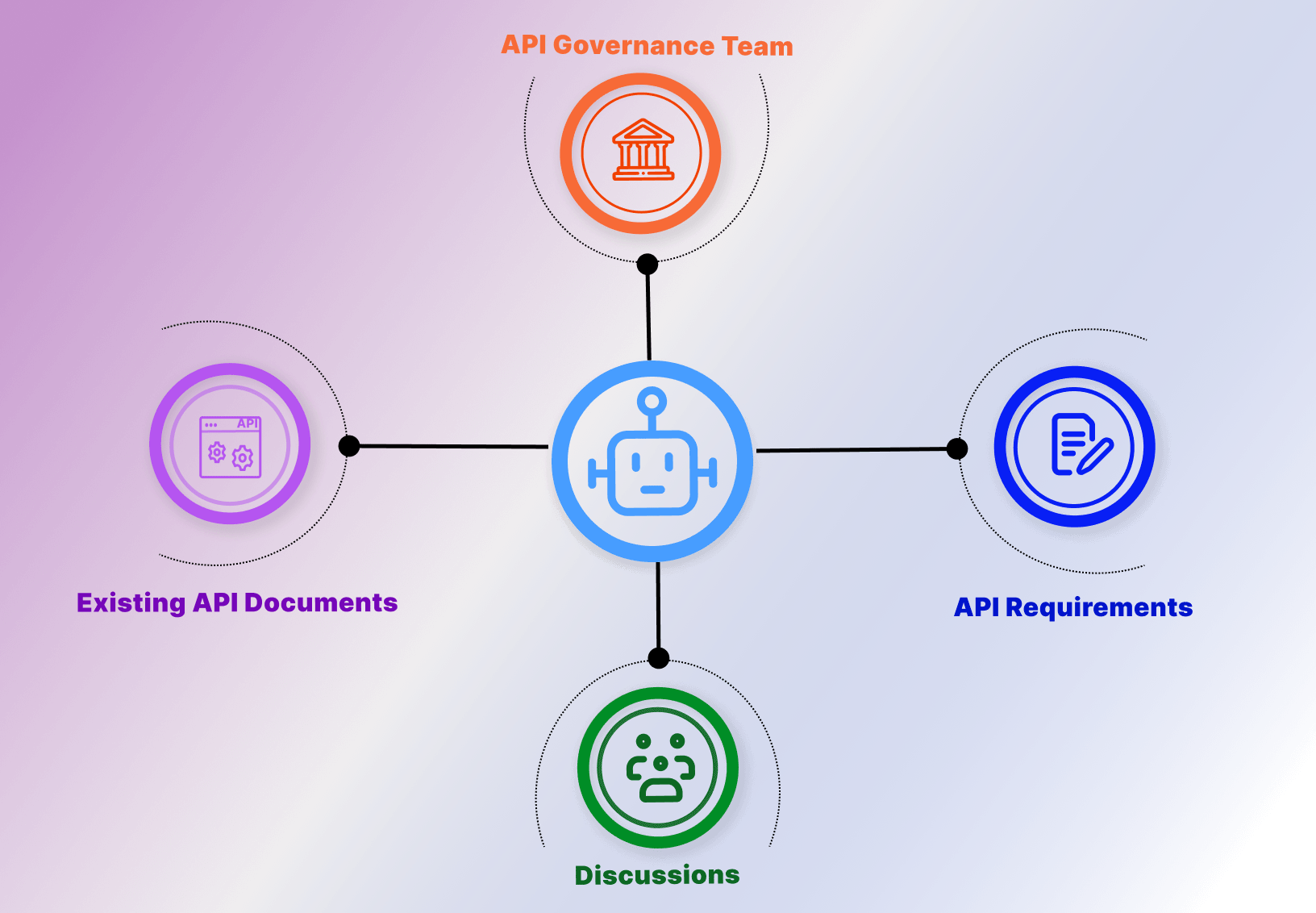
By leveraging AI in API governance, organizations can streamline the decision-making process, save time, and ensure that decisions are based on a comprehensive understanding of the API landscape. AI can assist in analyzing and processing vast amounts of data, identifying patterns and trends, and providing valuable insights to guide the governance team's decisions.
Overall, the combination of a centralized platform and AI assistance in API governance improves efficiency, enhances knowledge management, and ensures informed decision-making for the API program. It empowers organizations to make well-informed choices based on a comprehensive understanding of the API landscape and facilitates the successful implementation of their API strategies.
In the API design process, there are two major challenges that organizations often face:
Better Tooling Support for Quick API Design:
One of the challenges in API design is the requirement for improved tooling support to facilitate quick and efficient API design. Traditional manual approaches can be time-consuming and prone to errors. To overcome this challenge, organizations should consider adopting modern API design tools that offer user-friendly interfaces, drag-and-drop functionality, and code generation capabilities. These tools accelerate the design process, automate repetitive tasks, and enforce compliance with best practices and industry standards.
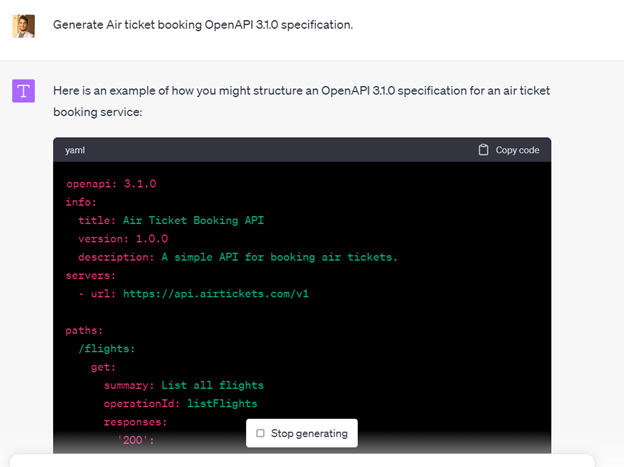
In addition, utilizing NLP tools like ChatGPT can further simplify the API documentation process. ChatGPT and similar NLP tools have the ability to generate API documentation within seconds, providing a faster and more streamlined approach. By leveraging the capabilities of NLP models, organizations can generate accurate and comprehensive API documentation, reducing the manual effort required.
To ensure consistency across APIs, organizations should establish and enforce design guidelines and standards. This includes defining naming conventions, data formats, error handling mechanisms, and security protocols. By adhering to these guidelines, organizations can create a cohesive API ecosystem that is easy to understand and use for developers.
Another significant challenge is maintaining consistency across all APIs within an organization. As the number of APIs grows, ensuring a unified design approach becomes crucial for seamless integration and ease of use. To address this challenge, organizations should establish API design guidelines, style guides, and best practices that cover aspects such as naming conventions, error handling, versioning, and documentation.
However, traditional style guides often focus solely on the documentation process and may not be integrated with the design and review process. While modern API design tools may integrate some style guide features into their platforms, they are often based on fixed rules and have limited capabilities. This can result in a manual process for ensuring consistency and making it difficult to enforce guidelines effectively.
To overcome these limitations and enhance consistency, AI models can play a valuable role. AI models can augment existing style guides by suggesting API design guidelines, such as API paths, error codes, and naming conventions. They can also improve reusability by suggesting common components and ensuring consistent descriptions across APIs.
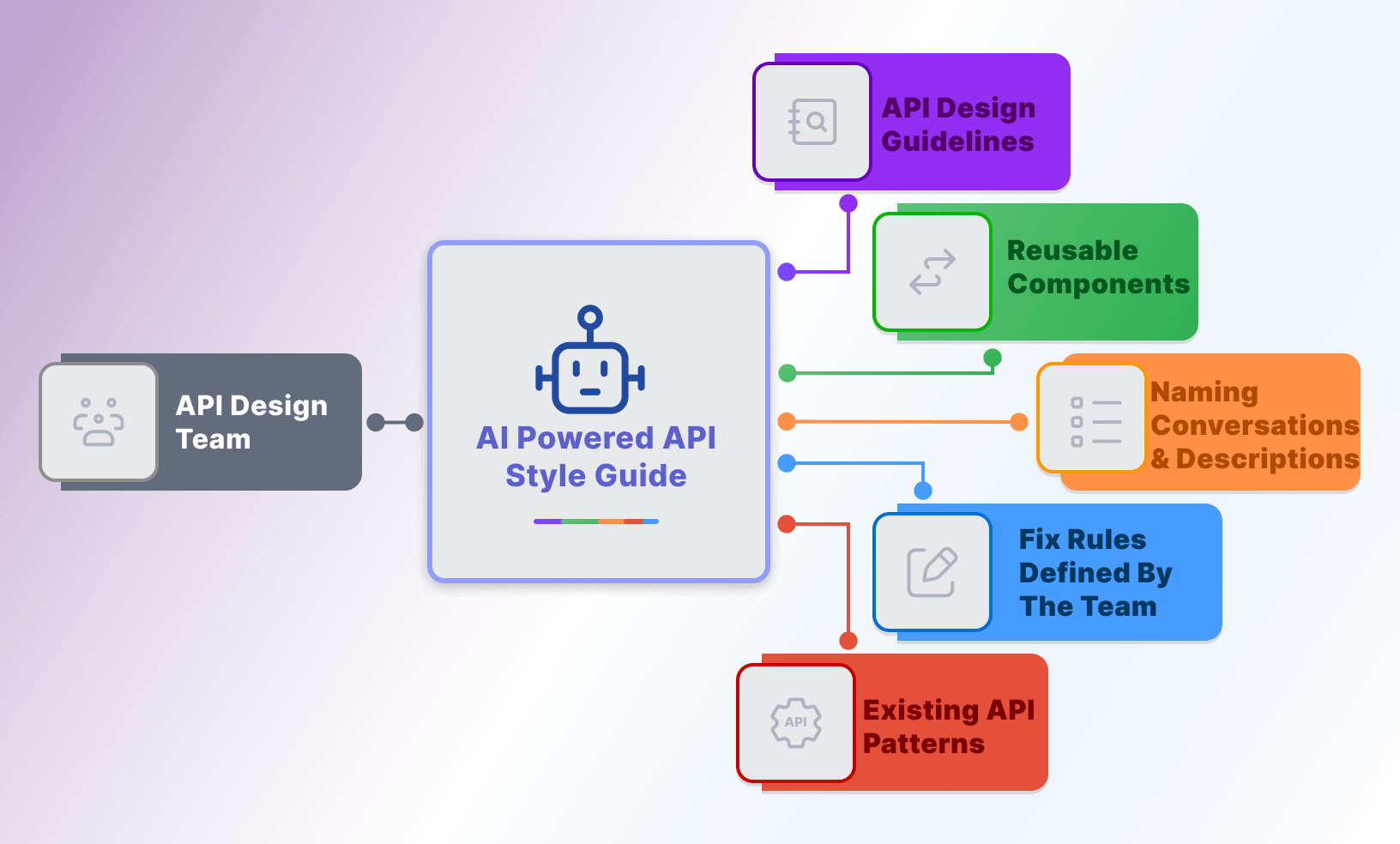
By leveraging AI models, organizations can enhance the capabilities of their style guides and design processes. AI models can analyze existing APIs, identify patterns, and provide intelligent suggestions based on best practices and learned knowledge. This streamlines the design and review process, reduces human error, and promotes consistency across APIs.
Integrating AI into the API design workflow can help organizations establish and maintain a unified and consistent approach to API design. It enables the automation of certain aspects of design guidelines, enhances reusability, and ensures that APIs follow standardized practices. Ultimately, AI models contribute to more efficient and effective API development processes and improve the overall quality of the APIs being created.
API review plays a crucial role in the gatekeeping process to ensure that APIs meet business requirements, technical requirements, and consistency. By incorporating better style guide support during the design phase, organizations can reduce the workload associated with API reviews. The same capabilities discussed in the API design process, such as AI models, can be utilized to identify issues during the review process.
During API design, adherence to established style guidelines and best practices is important. By following these guidelines, developers can ensure consistency and alignment with organizational standards. This proactive approach helps minimize the number of issues that arise during the review phase.
Incorporating AI models into the API review process can further enhance its effectiveness. AI models can analyze API designs, documentation, and implementation details to identify potential issues or deviations from established guidelines. They can provide suggestions for improvement, identify inconsistencies, and highlight potential risks or conflicts. This automated analysis helps streamline the review process and ensures that APIs are thoroughly evaluated for compliance with requirements and standards.
By leveraging AI capabilities, organizations can benefit from intelligent insights and recommendations during the API review process. This reduces the manual effort required for comprehensive reviews and increases the overall efficiency of the gatekeeping process. It also helps maintain consistency and ensures that APIs align with both business and technical requirements.
AI-driven solutions are revolutionizing API design by providing better tooling support, ensuring consistency, enhancing documentation, streamlining the review process, and enabling informed decision-making. With AI capabilities, organizations can design APIs more efficiently, maintain consistency through automated suggestions, and identify issues and deviations during the review process. This revolution in API design empowers organizations to deliver high-quality APIs that meet business requirements and industry standards.
Share Article

API Design
In today's rapidly evolving digital landscape, organizations are constantly striving to accelerate development, enhance their offerings, and maintain a competitive edge. A critical, yet often overlooked, aspect of achieving these goals lies in the ability to truly see and understand digital assets.

Prabath Ariyarathna
13 February 2026
Read More
API Design
We're thrilled to unveil our latest Xapi platform update, bringing a more intuitive API design experience, tooling enhancements, and a smarter way to govern externally designed APIs. These new capabilities make API design and governance more accessible, more powerful, and more flexible than ever before.

Shamali Sathindra
8 April 2025
Read More

API Design
Every organization wants well-designed APIs, but the key is turning business needs into carefully crafted APIs that perfectly match their main business objectives.
Prabath Ariyarathna
17 February 2025
Read More


