
The Xapi Community is a vibrant network of Xapi Platform users from around the globe: collaborating, innovating, and advancing together towards a more robust API design and governance ecosystem.

Copyright © 2026 X-Venture. All Rights Reserved.

Randika Chathuranga
06 December 2023
|6 min read
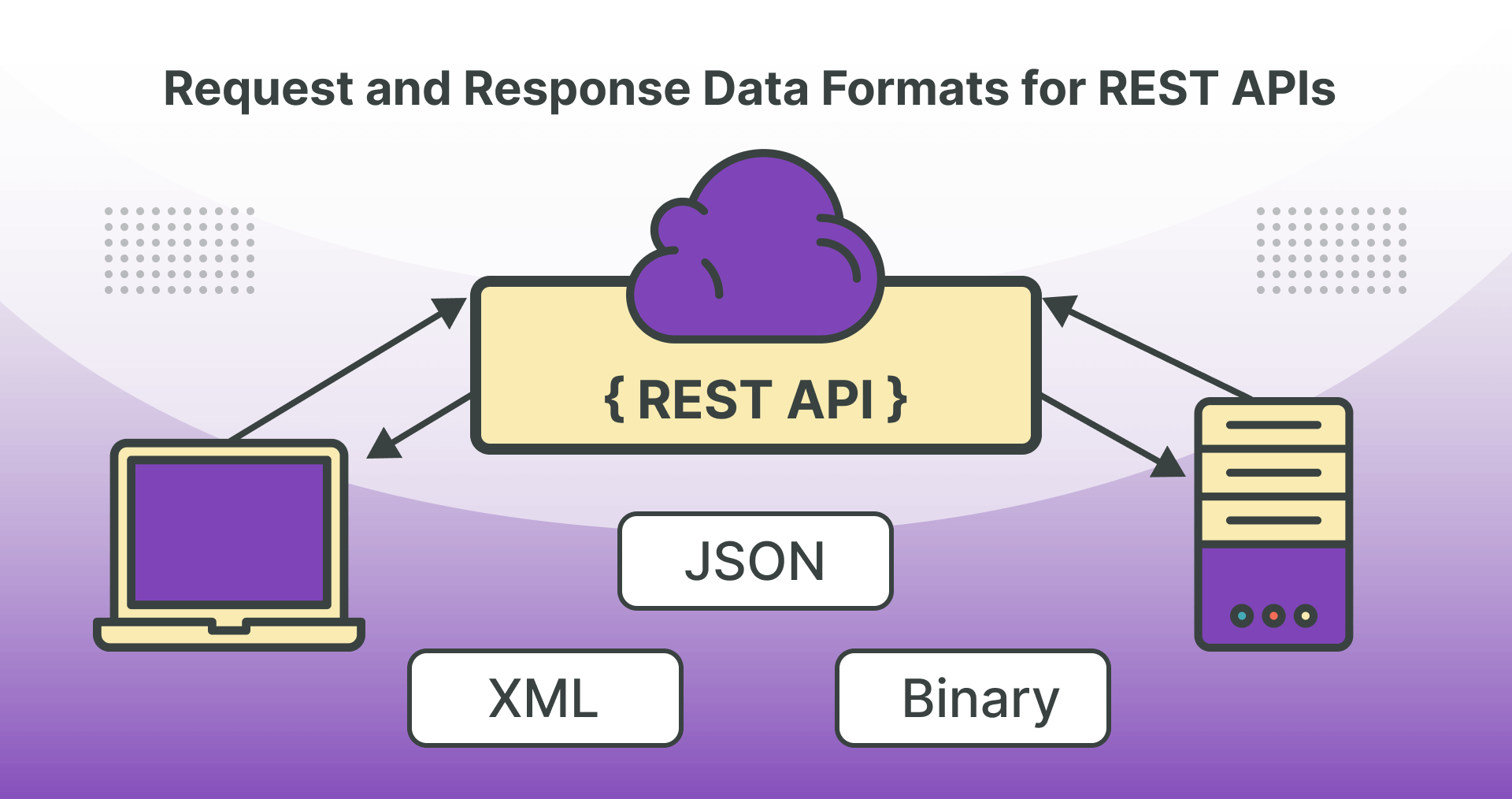
In the world of RESTful APIs, data sharing between computers is essential, and it all comes down to using the right format for effective communication. Typically, this involves representing data in a text-based format that both sender and receiver can comprehend. The two most prevalent formats in modern APIs are JSON (JavaScript Object Notation) and XML (Extensible Markup Language). In the realm of RESTful APIs, selecting the right data format is pivotal for efficient data exchange between computers. Let's delve into some of the most common data formats used in this context and understand when and why you might choose them.
JSON has emerged as a prominent choice due to its association with the widely used JavaScript programming language. Its simplicity, featuring keys and values, makes it a favorite among developers for various reasons:
Example:
name": "John Doe",
"age": 30
"city": "New York"
}
Reasons to choose JSON:
Lightweight and human-readable, enhancing developer-friendliness.
Widely supported in modern programming languages.
Supports nested data structures for representing complex objects.
XML is a mature and powerful data format that provides a structured approach to data representation:
Example:
<name>John Doe</name>
<age>30</age>
<city>New York</city>
Reasons to choose XML:
Well-defined structure with tags, suitable for complex and hierarchical data.
Preferred in legacy systems and enterprise applications for data exchange.
Supports data typing for strict data validation.
Plain text is the most straightforward format, where data is presented without any specific structure or additional labeling. It's a suitable choice when simplicity reigns:
Example:
John Doe, 30, New York
Reasons to choose plain text:
Reasons to choose plain text:
Ideal for uncomplicated data exchange.
Lightweight and compatible with any system, perfect for straightforward communication.
Binary data is the go-to option for transferring non-textual data like images, videos, audio, and more. It's efficient for handling data that cannot be directly represented in text-based formats:Example:
Images, audio files, etc
Reasons to choose binary:
Efficient for non-textual data.
Some file formats inherently require binary representation and cannot be accommodated in text-based formats like JSON or XML.
Before diving into data formats, let's revisit one of the fundamental components of HTTP: headers. Headers are pieces of information included in both HTTP requests and responses. They provide crucial details about the request or response, helping the client and server understand how to handle the data being exchanged.
One of the essential headers for dealing with data formats in HTTP is the Content-Type header. When a client sends an HTTP request, it can include the Content-Type header to inform the server about the format of the data contained in the request's body. This header serves as a crucial indicator, allowing the server to determine how to interpret and process the data. For instance, if a client intends to send JSON data in a request, it sets the Content-Type header to "application/json." When the server receives the request and identifies the Content-Type as JSON, it knows how to parse and handle the incoming data. This seamless communication ensures that both the client and server are on the same page regarding data format expectations.
In some cases, a client may only be capable of working with a specific data format, such as JSON. To communicate its preferences to the server, the client uses the Accept header. The Accept header specifies the data formats that the client is willing to accept in the response. For instance, if a client can only handle JSON data, it sets the Accept header to "application/json." When the server processes the request and generates a response, it checks the client's Accept header. If the server supports the requested data format, it sends the response in that format, ensuring compatibility between the server's response and the client's capabilities.
As a conclusion In the realm of RESTful APIs, data format selection is pivotal, with JSON and XML taking the lead. JSON, known for its simplicity and versatility, suits a broad range of applications, offering lightweight, human-readable data exchange. XML, in contrast, excels in complex data hierarchies and precise validation. While JSON and XML are primary choices, plain text offers a lightweight option for straightforward data. Binary formats like Base64 handle
non-textual data efficiently. Your choice hinges on data complexity, application needs, and technology. JSON's agility and XML's structure are prominent, while plain text simplifies, and binary optimizes data exchange. These formats together ensure seamless RESTful API communication, enabling smooth data flow between client and server.

API Design
Every organization wants well-designed APIs, but the key is turning business needs into carefully crafted APIs that perfectly match their main business objectives.

Prabath Ariyarathna
17 February 2025
Read More
API Design
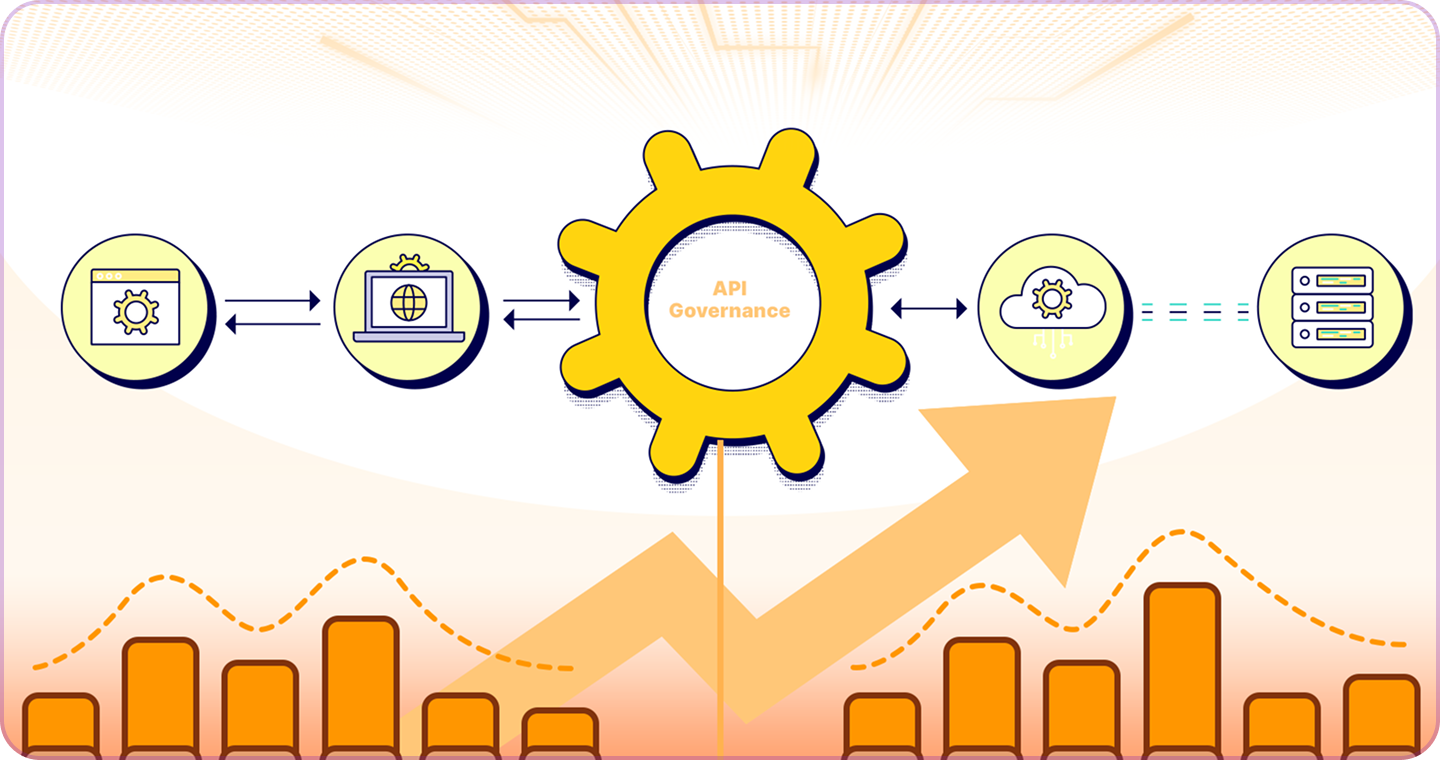
In today’s fast-paced digital world, an Application Programming Interface (API) is the silent force behind complex enterprise systems and mobile applications, among others. For organizations, APIs act as connectors between their internal systems, external partners, and third-party applications for easy integration.To manage this growing API ecosystem, **API governance tools** have become essential. The failure to utilize these tools to comply with regulatory norms, and increase security is a business opportunity that most organizations ignore. In this blog, we will examine how these governance tools help in scaling, streamline operations, cost-effective development, and encouraging creativity towards growth.

Oshini Dinethrie Wijewickrama
20 January 2025
Read More
API Design
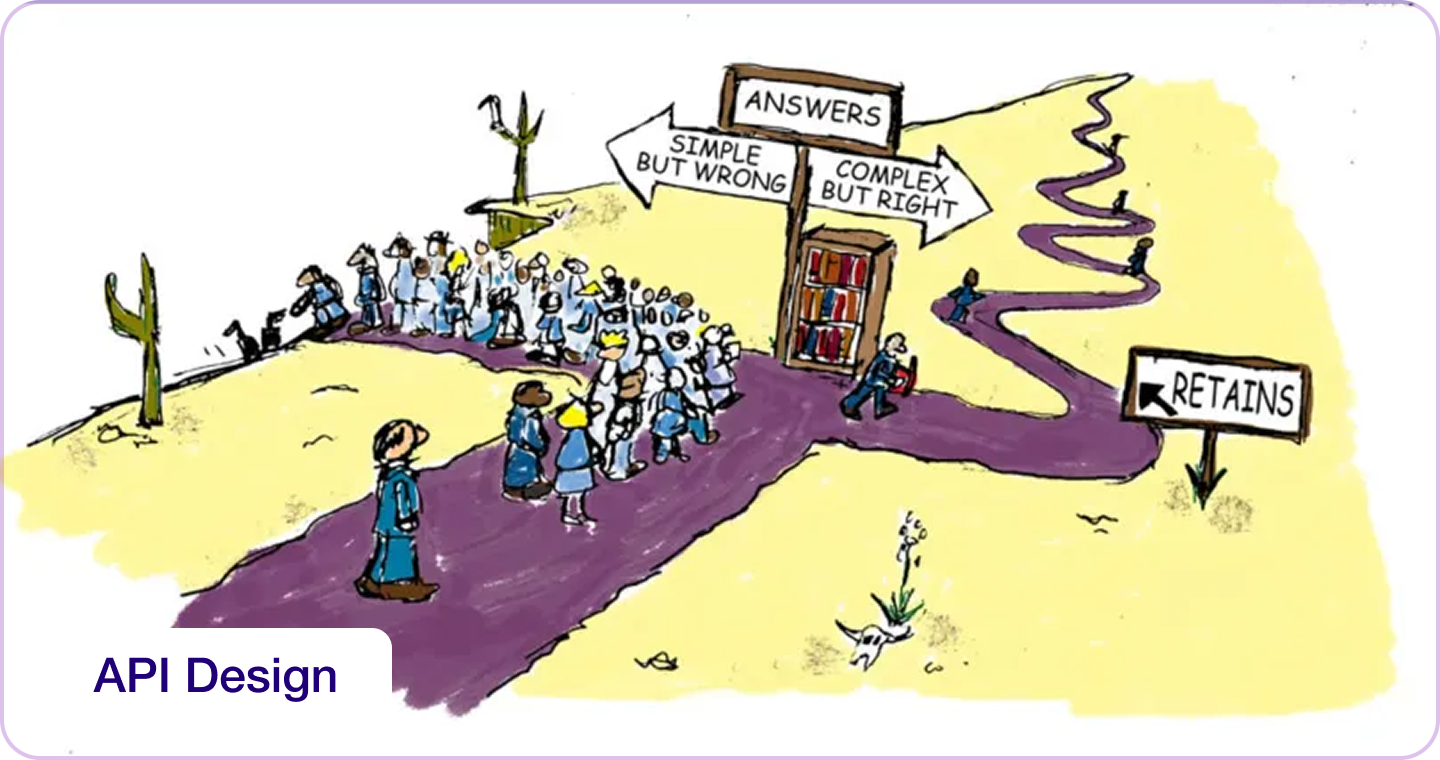
There is a common myth that good APIs are hard, but bad APIs are easy. But is that true? Let’s see how true this is. In this article, we will only focus on whether an API is good or bad based on its design. There could also be other reasons in other parts of the API lifecycle.
Prabath Ariyarathna
15 January 2025
Read More


