
The Xapi Community is a vibrant network of Xapi Platform users from around the globe: collaborating, innovating, and advancing together towards a more robust API design and governance ecosystem.

Copyright © 2026 X-Venture. All Rights Reserved.


Nithmi Onara
09 September, 2023
|7 min read
As the world becomes increasingly interconnected, the need for efficient data retrieval from APIs has become more critical than ever. When dealing with large data sets, it's essential to implement pagination techniques in REST APIs to retrieve data in manageable chunks. In this blog post, we will explore various pagination strategies that can be employed to handle large data sets in REST API responses. By understanding and implementing these techniques, developers can optimize performance, reduce resource usage, and enhance the user experience.
API pagination is a technique used to divide large result sets into smaller, more manageable chunks or pages to retrieve large datasets in an organized and compliant manner. Instead of returning the entire dataset in a single response, the API returns subsets of data, allowing clients to request additional pages as needed.
API pagination provides control over the amount of data transferred, improves performance, reduces response times, and minimizes resource consumption.
For example, online shopping platforms such as Amazon, AliExpress, and eBay use paginated APIs to retrieve products, search results, or user reviews efficiently.
There are several types of pagination techniques used in REST APIs. Let's explore each one with examples.
Also known as limit-offset pagination, this is one of the simplest techniques.
It enables specifying the number of records to skip (offset) and the maximum number of records to return (limit) for each API call.
Example: GET /api/products?limit=20&offset=40 retrieves 20 products starting from the 41st record (offset of 40).
Also referred to as keyset pagination, it relies on unique identifiers (cursors) instead of offsets.
The API uses a cursor to indicate the starting point for the next page of data, ensuring data stability when new or updated records appear.
Example: GET /api/customers?cursor=eyJpZCI6MjIzfQ== where the cursor value is a token or encoded representation of the last item in the previous response.
Ideal for time-sensitive data such as social media posts or logs.
Paginate based on a time range or timestamp using parameters like start_time and end_time.
Example 1: GET /api/posts?from=1626354000&to=1626440400 retrieves posts within a specific time window.
Example 2: GET /api/events?start_time=2019-02-05T12:00:00Z&end_time=2023-02-05T00:00:00Z fetches data from February 2019 to February 2023.
Uses a key or delimiter to determine the sort order of records that divides data into pages.
Commonly uses fields like created_at or id for sorting.
Example: GET /orders?limit=250 retrieves the first 250 orders. To get the next batches, you may use: GET /orders?limit=300&since_id=250.
Pros: Efficient for large data and real-time updates. Cons: Can't jump to a specific page; less flexibility with sorting.
Also known as number-based pagination, assigns a sequential page number to each result set.
Clients can request a specific page by providing a page parameter.
Example: GET /api/news?page=3 retrieves the third page of news articles.
It's intuitive and widely used, but can be less efficient for dynamic datasets where records are frequently added or removed.
Efficient data retrieval is crucial for APIs dealing with large datasets. By implementing pagination techniques such as offset pagination, cursor pagination, time-based pagination, seek pagination, and page-based pagination, developers can optimize performance, reduce resource consumption, and enhance the user experience.
Each pagination strategy offers unique advantages based on specific use cases and requirements. By understanding these techniques and applying them appropriately, developers can ensure efficient and scalable API data retrieval.
Remember, clear documentation and proper error handling are essential when implementing pagination. By following best practices and leveraging pagination effectively, developers can deliver seamless, performant, and user-friendly API experiences.
Share Article

API Design
In today's rapidly evolving digital landscape, organizations are constantly striving to accelerate development, enhance their offerings, and maintain a competitive edge. A critical, yet often overlooked, aspect of achieving these goals lies in the ability to truly see and understand digital assets.

Prabath Ariyarathna
13 February 2026
Read More
API Design
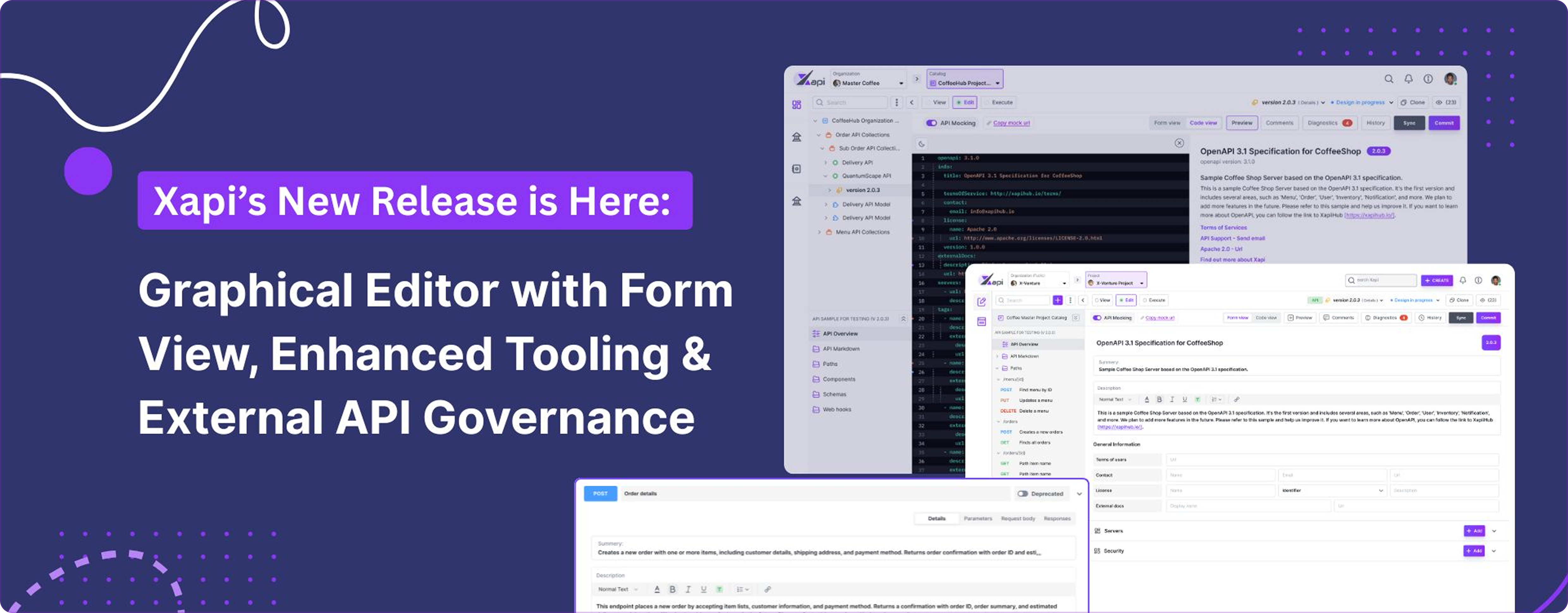
We're thrilled to unveil our latest Xapi platform update, bringing a more intuitive API design experience, tooling enhancements, and a smarter way to govern externally designed APIs. These new capabilities make API design and governance more accessible, more powerful, and more flexible than ever before.

Shamali Sathindra
8 April 2025
Read More

API Design
Every organization wants well-designed APIs, but the key is turning business needs into carefully crafted APIs that perfectly match their main business objectives.
Prabath Ariyarathna
17 February 2025
Read More


