
The Xapi Community is a vibrant network of Xapi Platform users from around the globe: collaborating, innovating, and advancing together towards a more robust API design and governance ecosystem.

Copyright © 2026 X-Venture. All Rights Reserved.

Nithmi Onara
05 June 2024
|9 min read
Beyond their technical utility, APIs present a lucrative opportunity to unlock new revenue streams. Monetizing APIs has become a strategic approach for businesses to explore new revenue streams, improve customer engagement, and drive innovation. They facilitate the integration of third-party services, enhance user experiences, and drive business growth. This blog explores the strategies and models for effectively monetizing your APIs.
Any enterprise that wants to take advantage of the new API economy must have an API monetization plan in place as the market becomes more expansive and opportunities arise due to the increasing use of APIs. API monetization is a strategy that enterprises use on their APIs to earn an income either directly or indirectly by trading them. Developing a business strategy for your APIs is the essence of monetization. Additionally, the strategy should ensure that you provide your API consumers with constant, high-quality value.
Generating revenue is not the only reason that enterprises monetize their APIs. APIs hold much more potential than transforming into valuable assets. Here are some perks of monetizing APIs:
As you know by now APIs can become an additional source of income for business models. This reduces the dependence on a single revenue source and creates financial resilience. Today's businesses possess valuable data or functionalities that remain underutilized. API monetization exposes these hidden assets to income generators.
Well-designed and monetized APIs can attract developers and businesses who are seeking specific functionalities. This helps to create community around your APIs with value-added services and strength relationships with customers.
Developers can build third-party applications with publicly available APIs. It helps to extend the reach of customers and brand recognition. Monetized APIs can enter new markets by providing access to different geographical regions or new user segments to the API.
API monetization revenue models
API product managers have several revenue strategies when it comes to monetization. Those models can be divided to two main categories:
When discussing API monetization, API-as-a-Product concept is a crucial topic where APIs are considered as digital products with documentation, and marketing efforts. Direct monetization is a feasible and likely alternative when the API is the product. And when a company has broad capabilities to interface with other services through APIs, and access to these capabilities is metered and regulated through consumption plans.
Revenue models:
In some situations, the direct monetization approach might not be the best way to monetize APIs. In such cases, enterprises do not sell or charge for their APIs directly, but they give free access to APIs hoping to generate traction, ultimately aiming for more sales for the platform.
Benefits of indirect API monetization:
Some real-life use cases:
Amazon Marketplace
Amazon Marketplace is the best example of how indirect API monetization can be a strategic enterprise. While Amazon does not directly charge for API access, it helps APIs to open better revenue streams through its marketplace model.
Challenge
Expand product selection and reach new customers without managing a vast and complex inventory.
Solution:
Amazon Marketplace
Implementation
Open Marketplace: Amazon created an open marketplace with an API that allows third-party vendors to list and sell products alongside their own offerings.
Integration: The API provides functionalities for product listings, inventory management, order fulfillment, and payment processing.
Developer Tools and Support: Amazon offers developer tools and support, making it easy for vendors to integrate their systems with the marketplace.
Benefits for Amazon:
Indirect Revenue Generation:
Impact:
Many technological enterprises use API monetization as a strategy of generating income. Developers can utilize the monetizing APIs and use them to develop different applications and software. When monetizing APIs there are many strategies to consider as a product manager, whether it is indirect or direct API monetization. Product managers can market their APIs with a suitable monetization strategy and experience the direct and indirect benefits that API market offers.
Share Article

API Design
In today's rapidly evolving digital landscape, organizations are constantly striving to accelerate development, enhance their offerings, and maintain a competitive edge. A critical, yet often overlooked, aspect of achieving these goals lies in the ability to truly see and understand digital assets.

Prabath Ariyarathna
13 February 2026
Read More
API Design
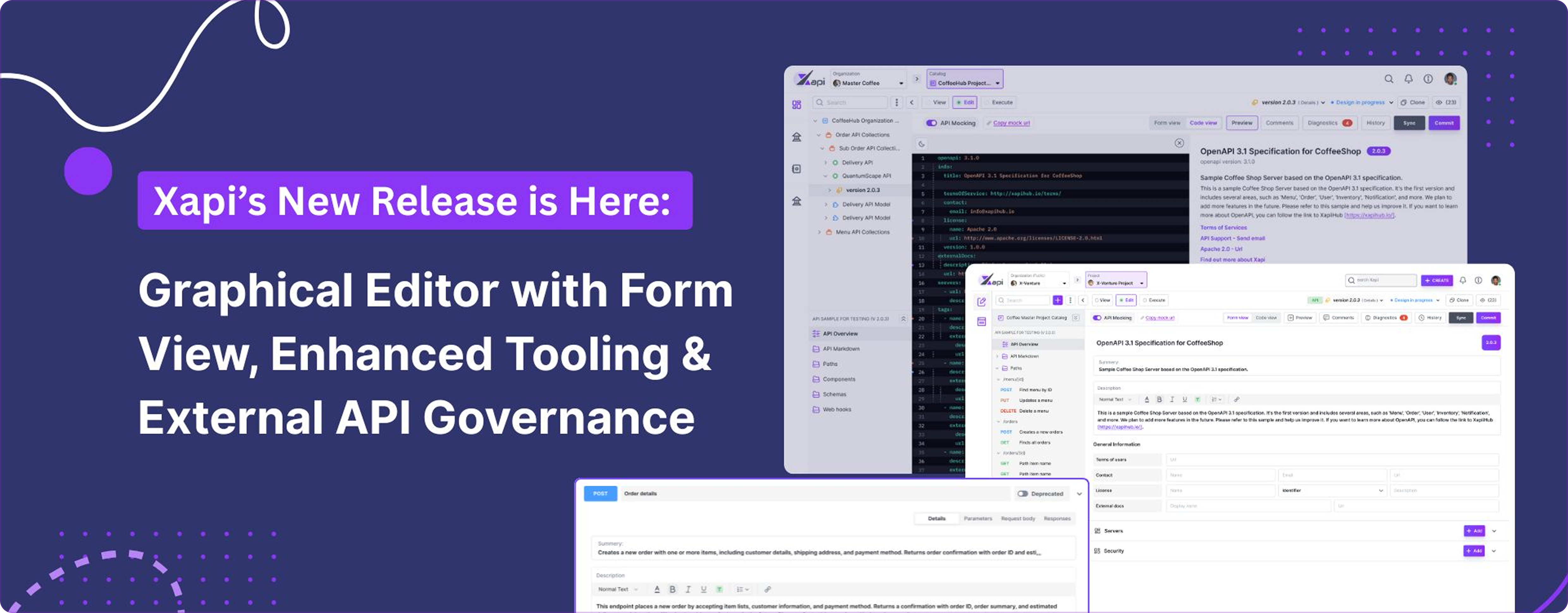
We're thrilled to unveil our latest Xapi platform update, bringing a more intuitive API design experience, tooling enhancements, and a smarter way to govern externally designed APIs. These new capabilities make API design and governance more accessible, more powerful, and more flexible than ever before.

Shamali Sathindra
8 April 2025
Read More

API Design
Every organization wants well-designed APIs, but the key is turning business needs into carefully crafted APIs that perfectly match their main business objectives.
Prabath Ariyarathna
17 February 2025
Read More


