
The Xapi Community is a vibrant network of Xapi Platform users from around the globe: collaborating, innovating, and advancing together towards a more robust API design and governance ecosystem.

Copyright © 2026 X-Venture. All Rights Reserved.


Shamali Sathindra
21 September 2023
|4 min read
In the dynamic landscape of software development, building and maintaining RESTful APIs is a cornerstone of creating successful web applications. As APIs evolve over time, ensuring a smooth transition for existing users while accommodating new features becomes a challenge. This is where API versioning strategies come into play. In this blog post, we'll delve into the realm of RESTful API versioning strategies, exploring various approaches and dissecting their respective advantages and drawbacks.
API versioning is the practice of assigning a unique identifier to each iteration of an API, indicating changes and updates in its functionality. This version identifier enables API developers and consumers to manage changes in a controlled and predictable manner. By providing clear and distinct versions, developers can ensure that new features can be introduced without breaking existing functionality.
API versioning is crucial for maintaining a healthy developer ecosystem and a positive user experience. Here's why:
Developers can confidently introduce new features and improvements without worrying about breaking existing implementations.
As APIs mature, changes are inevitable. Proper versioning ensures that existing clients continue to work as expected, preventing sudden disruptions.
Clear versioning facilitates communication between API developers and API consumers, making it easier to understand which version is being used.
When transitioning to a new version, users can plan and implement the required changes in a controlled manner, avoiding last-minute surprises.
Several API versioning approaches are employed in the tech industry. Each approach has its own benefits and challenges. Let's explore the most common ones!
In this approach, the version number is included directly in the URI of the API endpoint.
Example: https://api.example.com/v1/resource
Pros: Clear version indication in the URI; simple to implement.
Cons: Clutters the URI, potentially causing readability issues; switching versions requires URI changes.
Version information is included in the Accept header of the HTTP request in this approach.
Example:
GET /resource HTTP/1.1
Host: api.example.com
Accept: application/vnd.example.v1+json
Pros: Keeps URI clean; clients can request versions easily.
Cons: Slightly more complex implementation; testing different versions requires altering headers.
A custom header like Api-Version is included in the request to specify the desired version.
Example:
GET /resource HTTP/1.1
Host: api.example.com
Api-Version: 1
Pros: Separates versioning information from other headers; explicit client version request.
Cons: Requires effort on both client and server sides; may cause caching issues.
The response media type itself indicates the API version.
Example:
HTTP/1.1 200 OK
Content-Type: application/vnd.example.v1+json
Pros: Version info integrated in response; useful when supporting multiple content types.
Cons: Similar to Accept Header versioning; potential version leakage in documentation.
Choosing the right versioning strategy for your RESTful API depends on your project's nature, development team preferences, and user needs. By understanding the strengths and limitations of each approach, you can:
Remember, the key lies in maintaining a consistent and coherent approach throughout your API's evolution.

API Design
In today's rapidly evolving digital landscape, organizations are constantly striving to accelerate development, enhance their offerings, and maintain a competitive edge. A critical, yet often overlooked, aspect of achieving these goals lies in the ability to truly see and understand digital assets.

Prabath Ariyarathna
13 February 2026
Read More
API Design
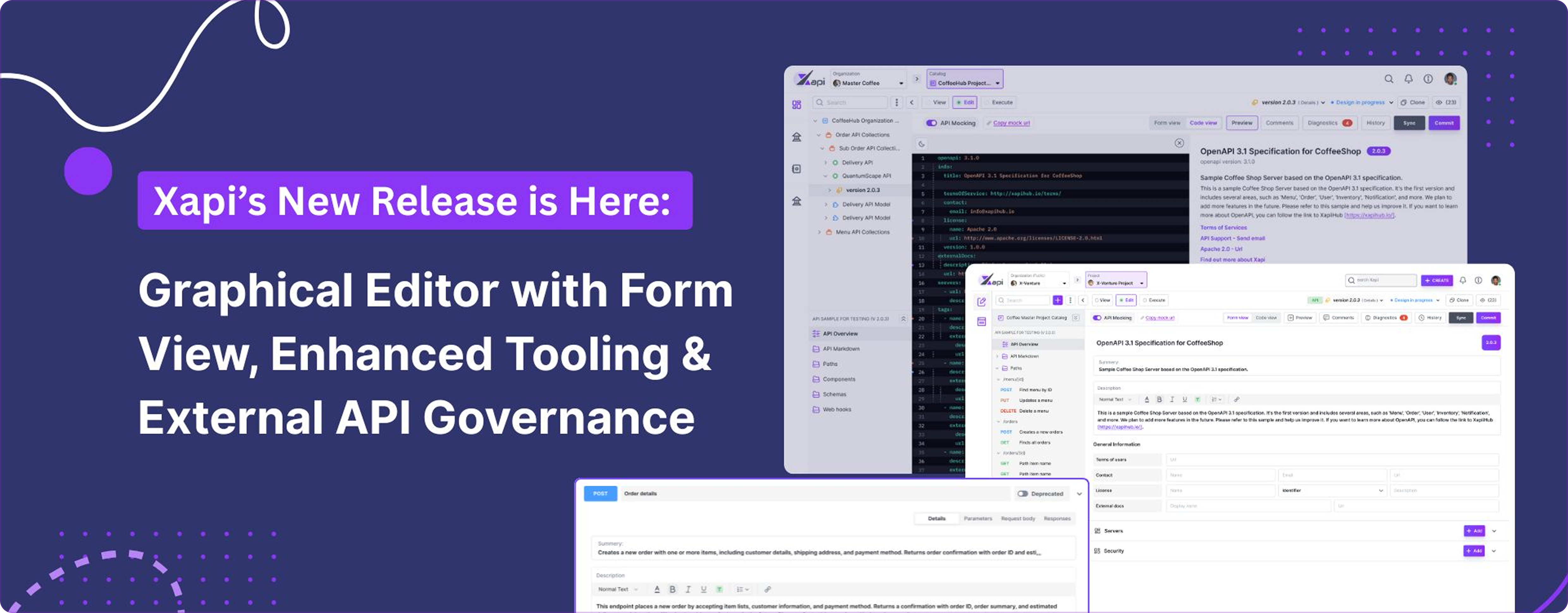
We're thrilled to unveil our latest Xapi platform update, bringing a more intuitive API design experience, tooling enhancements, and a smarter way to govern externally designed APIs. These new capabilities make API design and governance more accessible, more powerful, and more flexible than ever before.

Shamali Sathindra
8 April 2025
Read More

API Design
Every organization wants well-designed APIs, but the key is turning business needs into carefully crafted APIs that perfectly match their main business objectives.
Prabath Ariyarathna
17 February 2025
Read More


