
The Xapi Community is a vibrant network of Xapi Platform users from around the globe: collaborating, innovating, and advancing together towards a more robust API design and governance ecosystem.

Copyright © 2026 X-Venture. All Rights Reserved.


Shirantha Jayasuriya
10 April 2024
|6 min read
In the ever-evolving landscape of web development, RESTful APIs have become the backbone of modern applications, enabling seamless communication between clients and servers. When it comes to retrieving data from these APIs, developers often face the challenge of efficiently filtering and sorting information to meet specific requirements. In this comprehensive guide, we will delve into the techniques for filtering and sorting data in RESTful API queries, providing you with the tools to create flexible and powerful data retrieval options.
Representational State Transfer (REST) is an architectural style that defines a set of conventions to be used when creating web services. RESTful APIs follow these principles, allowing clients to interact with servers through standard HTTP methods like GET, POST, PUT, and DELETE. The simplicity and scalability of REST make it a popular choice for building web services.
Effective data retrieval hinges on precise filtering techniques, where the art of refining data to meet specific criteria takes center stage. Let's delve into the intricacies of filtering data within the realm of RESTful APIs.
One of the most common techniques for filtering data in RESTful APIs is through query parameters. These parameters are appended to the URL and provide a way to customize the API request. For instance, appending ?category=technology to the endpoint might retrieve only items in the "technology" category. Example:GET /api/products?category=technology
Logical operators play a pivotal role in filtering data by allowing us to combine multiple conditions to refine our query results. In the context of data filtering within RESTful APIs, logical operators such as AND, OR, and NOT enable us to construct complex queries that match our desired criteria.
AND Operator: This operator allows us to specify that all conditions in a query must be met for a record to be included in the results. For example, if we're filtering a list of users and want to find those who are both active and have a premium subscription, we would use the AND operator to combine these two conditions.
OR Operator: The OR operator broadens our query by allowing us to specify that at least one of the conditions must be met for a record to be included in the results. For instance, if we're filtering a product catalogue and want to find items that are either on sale or have a high customer rating, we would use the OR operator to combine these conditions.
NOT Operator: This operator negates a condition, excluding records that match the specified criterion. For example, if we're filtering a list of orders and want to find those that have not been shipped yet, we would use the NOT operator to exclude records where the shipment status is "shipped".
By leveraging logical operators effectively, we can craft precise queries to retrieve the exact subset of data we need from a RESTful API, enabling us to tailor our applications' responses to meet specific user requirements.
Example:
GET /api/products?category=technology&price_less_than=1000
Extend filtering capabilities by incorporating range queries. This enables clients to retrieve data within a specific numeric or date range, enhancing the granularity of data retrieval.
Example:
GET /api/sales?date_after=2023-01-01&date_before=2023-12-31
In the context of data retrieval within RESTful APIs, mastering the art of sorting data is essential for organizing query results in a meaningful and intuitive manner. Let's explore the techniques and principles behind sorting data to enhance the effectiveness of our API-based applications.
Introduce a sort query parameter to specify the field and order for sorting. This empowers clients to receive data in ascending or descending order based on a chosen attribute.
Example:
GET /api/products?sort=price&order=desc
Implement a default sorting mechanism to ensure that API responses provide a consistent order when no specific sorting parameters are provided.
Example:
GET /api/products
Enhance sorting flexibility by allowing clients to sort multiple fields. This enables more nuanced control over the order in which data is presented.
Example:
GET /api/customers?sort=last_name,first_name&order=asc
To create a truly flexible data retrieval system, developers can combine filtering and sorting techniques in a single API request. This allows clients to tailor their queries precisely to their needs.
Example: GET /api/products?
category=technology&price_less_than=1000&sort=price&order=asc
Mastering the art of filtering and sorting data in RESTful APIs is crucial for delivering a seamless and user-friendly experience. By implementing these techniques, developers can provide clients with the power to tailor data retrieval according to their specific requirements, fostering efficiency and customization in web applications. As you embark on your API development journey, keep these techniques in mind to create robust and flexible data retrieval options that cater to diverse user needs.
Share Article

API Design
In today's rapidly evolving digital landscape, organizations are constantly striving to accelerate development, enhance their offerings, and maintain a competitive edge. A critical, yet often overlooked, aspect of achieving these goals lies in the ability to truly see and understand digital assets.

Prabath Ariyarathna
13 February 2026
Read More
API Design
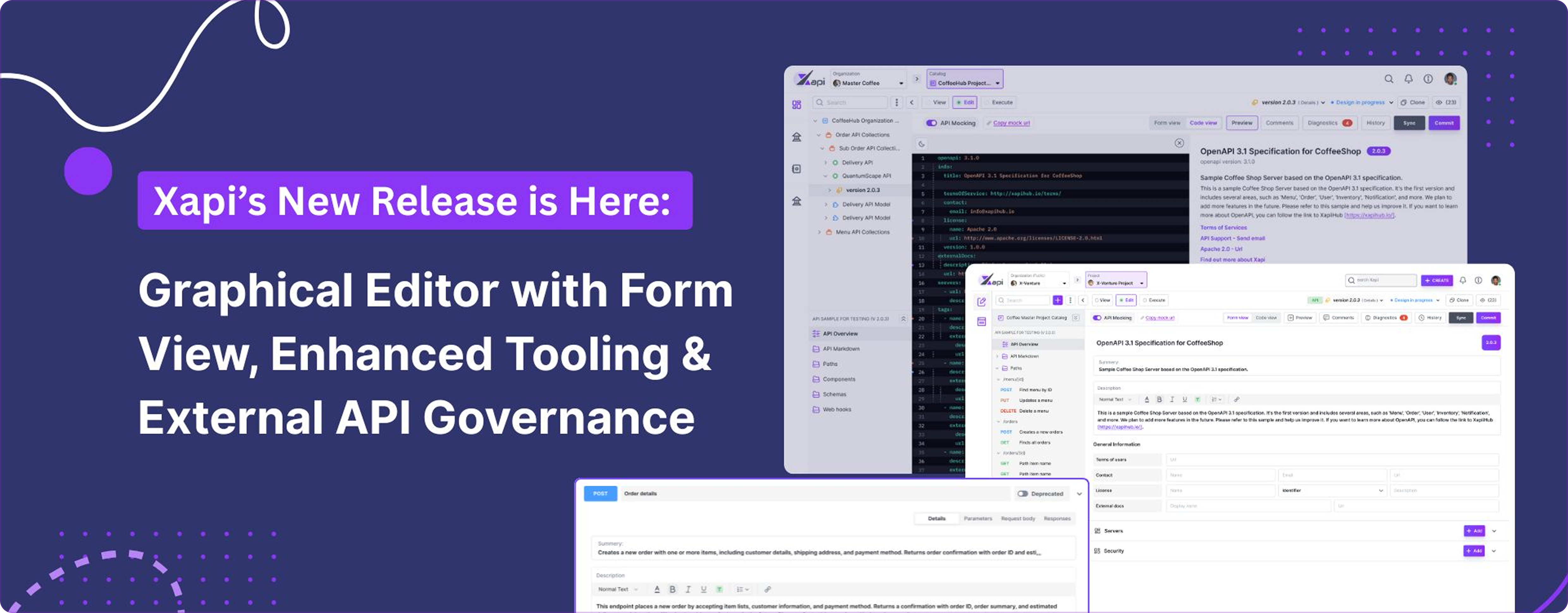
We're thrilled to unveil our latest Xapi platform update, bringing a more intuitive API design experience, tooling enhancements, and a smarter way to govern externally designed APIs. These new capabilities make API design and governance more accessible, more powerful, and more flexible than ever before.

Shamali Sathindra
8 April 2025
Read More

API Design
Every organization wants well-designed APIs, but the key is turning business needs into carefully crafted APIs that perfectly match their main business objectives.
Prabath Ariyarathna
17 February 2025
Read More


