
The Xapi Community is a vibrant network of Xapi Platform users from around the globe: collaborating, innovating, and advancing together towards a more robust API design and governance ecosystem.

Copyright © 2026 X-Venture. All Rights Reserved.


Oshini Dinethrie Wijewickrama
22 December 2023
|11 min read
In the dynamic landscape of RESTful APIs, the capability to handle file uploads stands as a pivotal feature, opening avenues for a richer and more versatile user experience. Whether it's uploading profile pictures to personalize user accounts or attaching essential documents to transactions, the importance of seamlessly integrating file uploads into API design cannot be overstated. This blog explores the best practices for implementing robust file upload functionalities, shedding light on the intricacies of RESTful APIs and how they navigate the diverse scenarios where file uploads play a crucial role. From enhancing user profiles with visuals to facilitating document-driven workflows, mastering the art of handling file uploads is a cornerstone in the architecture of modern, interactive APIs.
File uploads in RESTful APIs involve transferring files from a client (usually a web application) to a server. Unlike traditional form submissions, where data is sent as key-value pairs, file uploads require a different approach due to the nature of binary data.
The most common HTTP methods used for file uploads are POST and PUT. These methods allow clients to send data, including files, to the server.
The Content-Type header becomes crucial in file uploads. For binary data like files, the multipart/form-data content type is typically used. This format allows for the transmission of binary and textual data together.
In the request body, the file is included as part of a multipart request. Each part of the request represents a different field, and one of these fields contains the file data.
Along with the file data, metadata such as the file name, content type, and any additional information can be included.
On the server side, the API must be designed to parse and handle multipart requests. Libraries or frameworks often provide tools to simplify this process.
On the server side, the API must be designed to parse and handle multipart requests. Libraries or frameworks often provide tools to simplify this process.
In applications with user-generated content, users often need to upload images or videos. This can include profile pictures, media uploads, etc.
Document management systems or collaboration platforms may require file uploads for documents like PDFs, Word files, or spreadsheets.
Social media platforms and user-centric applications often allow users to upload profile pictures or avatars.
File-sharing platforms or cloud storage services rely heavily on file uploads for users to store and share their files.
Applications that involve streaming audio or video content may require file uploads for users to share their media files.
For certain applications, users might need to upload data files for processing, such as CSV files for importing data into a system.
Web forms that require users to submit additional documentation, such as resumes or certificates, often use file uploads.
Understanding these basics and use cases is crucial for designing robust APIs that can handle file uploads effectively. It ensures that both the client and server are on the same page regarding the format and handling of file data within the API.
By incorporating these security measures, size limitations, and strategies for concurrent uploads, you can enhance the reliability, performance, and security of your file upload functionality in RESTful APIs. Always prioritize the protection of user data and the stability of your server infrastructure.
Pros:
cons:
Pros:
cons:
Pros:
cons:
Folder Structure:
Metadata:
Version Numbers:
Timestamps:
Version Control Systems:
By carefully selecting storage options and implementing effective file naming and organization practices, you can streamline the management of uploaded files in your RESTful API. Tailor your choices based on factors such as the scale of your application, accessibility requirements, and the criticality of the data being stored.
In closing, handling file uploads in RESTful APIs demands a balance of security, efficiency, and thoughtful design. By incorporating best practices such as stringent validation, strategic storage choices, and meticulous API design, developers can ensure a seamless and secure experience for users. With the right tools and attention to detail, the process becomes not just a technical requirement but an opportunity to enhance the overall quality and reliability of web applications.
Share Article

API Design
In today's rapidly evolving digital landscape, organizations are constantly striving to accelerate development, enhance their offerings, and maintain a competitive edge. A critical, yet often overlooked, aspect of achieving these goals lies in the ability to truly see and understand digital assets.

Prabath Ariyarathna
13 February 2026
Read More
API Design
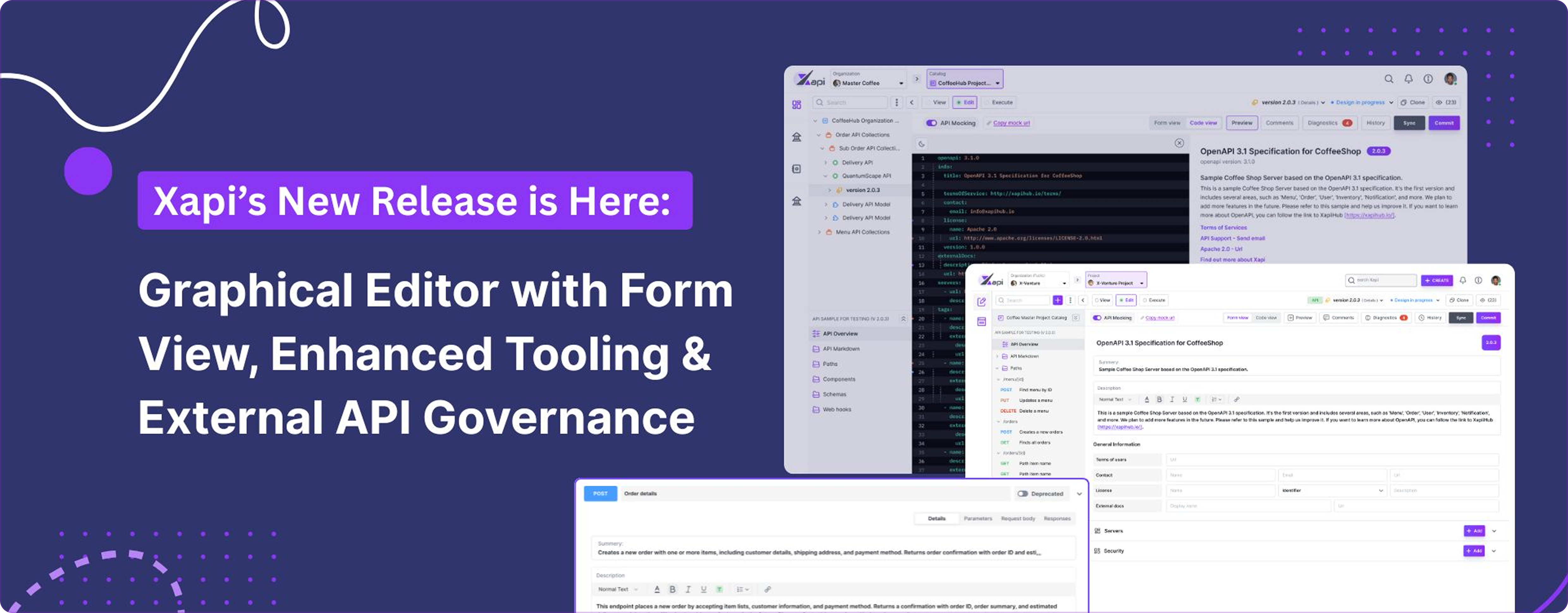
We're thrilled to unveil our latest Xapi platform update, bringing a more intuitive API design experience, tooling enhancements, and a smarter way to govern externally designed APIs. These new capabilities make API design and governance more accessible, more powerful, and more flexible than ever before.

Shamali Sathindra
8 April 2025
Read More

API Design
Every organization wants well-designed APIs, but the key is turning business needs into carefully crafted APIs that perfectly match their main business objectives.
Prabath Ariyarathna
17 February 2025
Read More


