
The Xapi Community is a vibrant network of Xapi Platform users from around the globe: collaborating, innovating, and advancing together towards a more robust API design and governance ecosystem.

Copyright © 2026 X-Venture. All Rights Reserved.

Isuru Maldeniya
13 December 2023
|7 min read
To provide a flawless user experience in the quick-paced world of mobile application development, reliable and effective API creation is crucial. The Representational State Transfer (REST) architecture is one of the most well-liked and extensively applied methods for creating APIs. When creating RESTful APIs for mobile applications, developers must take into account a distinct set of possibilities and challenges. The main factors and recommended procedures for creating RESTful APIs that meet the requirements of mobile app development will be discussed in this blog post.
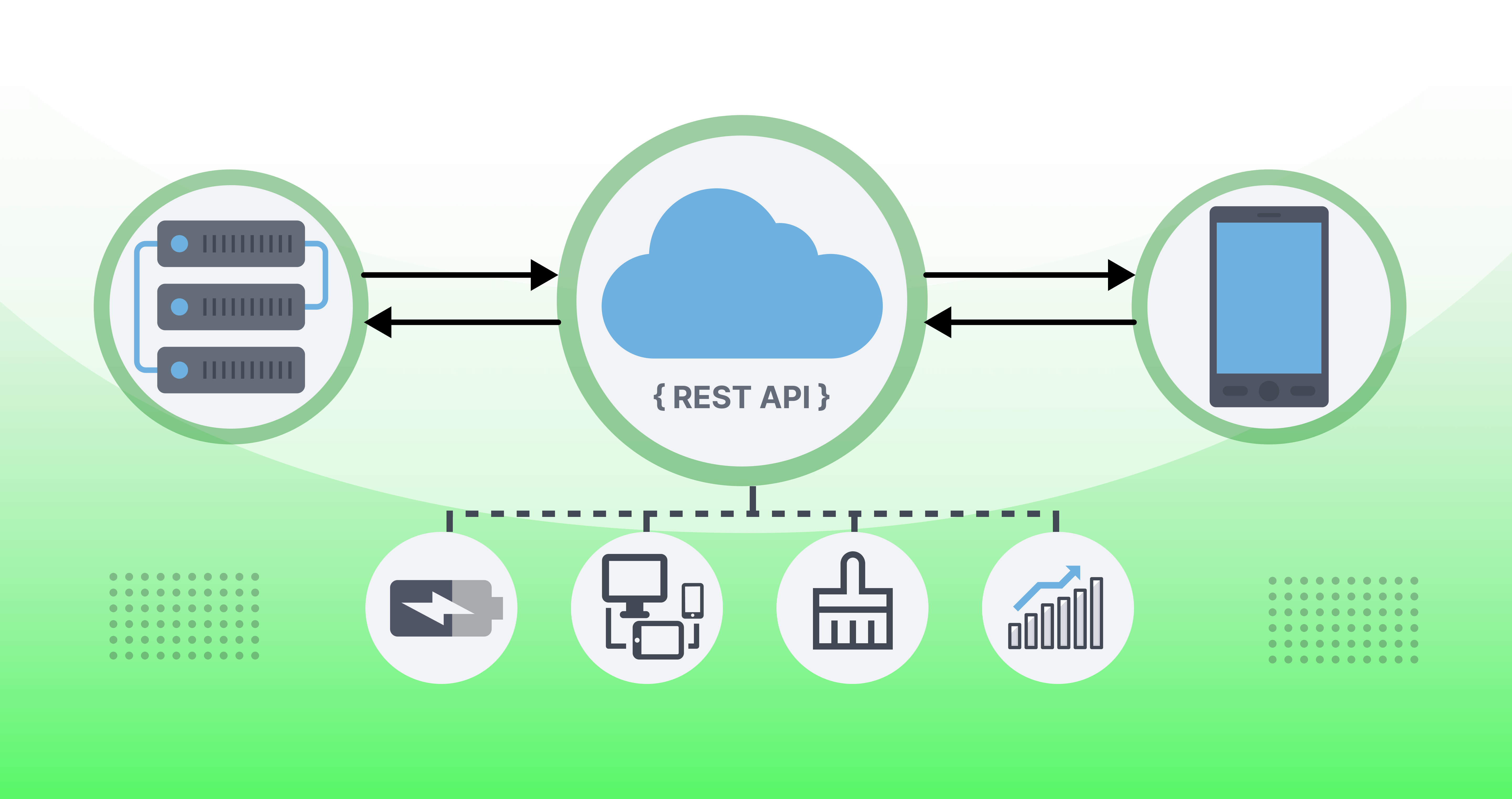
Memory, battery life, and computational power are frequently constrained in mobile devices. As a result, APIs ought to strive for reduced data transfer, performance optimization, and an avoidance of pointless client-side computations.
Numerous networks, such as 3G, 4G, and Wi-Fi, are available for mobile devices to connect to the internet; each has varying speeds and dependability. APIs ought to be able to elegantly manage sporadic connectivity and be robust against network variations.
Desktop monitors are larger than mobile ones. APIs ought to offer data that is optimized for mobile display, steering clear of superfluous information or superfluous clutter.
Always include versioning in your API design. This allows you to make backward-incompatible changes without breaking existing mobile apps. Use the URI path or headers to specify the API version.
Minimize the amount of data transferred between the server and the mobile app. Use techniques like pagination, compression, and caching to reduce network usage and improve app performance.
Return data in lightweight, mobile-friendly formats such as JSON, which are easy to parse and consume on mobile devices. Avoid sending unnecessary data.
Endpoint Design:
Discuss the importance of carefully designing API endpoints to cater to mobile app needs, including considering the granularity of endpoints and efficient resource allocation.
Pagination and Filtering:
Explain how to implement pagination and filtering to efficiently retrieve data, especially when dealing with large datasets.
Reducing Chatty APIs:
Discuss strategies to minimize the number of requests required by the mobile app to retrieve necessary data, thus reducing latency and conserving bandwidth.
Offline Data Storage:
Explore options for offline data storage within the mobile app, enabling users to access certain data even when disconnected from the internet.
Conflict Resolution:
Detail the methods for resolving data conflicts that may arise when syncing data between the mobile app and the server.
Push and Pull Mechanisms:
Explain the advantages of both push and pull mechanisms in synchronization and when to use each depending on the application's needs.
Token-Based Authentication:
Elaborate on token-based authentication, including the use of JWT (JSON Web Tokens) and OAuth, and how these methods enhance security.
Data Encryption:
Discuss the importance of encrypting data during transit and at rest, ensuring that sensitive user information is adequately protected.
Authorization Best Practices:
Describe best practices for handling user permissions and access control within the API, preventing unauthorized access.
Caching Strategies:
Examine caching mechanisms to reduce server load and minimize data transfer, improving response times for mobile apps.
Content Delivery Networks (CDNs):
Discuss how CDNs can be used to serve static assets and reduce the load on the API server.
Load Testing:
Explain the value of load testing to assess the API's performance under stress and ensure it can handle peak traffic without degradation.
Supporting Multiple Mobile Platforms:
Discuss strategies for building APIs that can serve both Android and iOS apps, making the development process more efficient
React Native and Flutter:
Explore how to adapt your API to work seamlessly with cross-platform app development frameworks like React Native and Flutter.
Mobile Analytics Tools:
Highlight the importance of integrating analytics tools to gather insights into user behavior, helping you make data-driven decisions for API improvements.
Crash Reporting:
Discuss the significance of integrating crash reporting tools to promptly identify and resolve mobile app issues.
Clear Documentation:
Stress the need for clear, concise, and up-to-date API documentation, providing mobile developers with a valuable resource for integration.
Developer Community:
Encourage the creation of a developer community around your API, where developers can seek help and share insights.
Data Privacy Regulations:
Discuss the impact of data privacy regulations such as GDPR and how to ensure compliance when handling user data in mobile apps.
Data Retention Policies:
Detail considerations regarding data retention, especially with user-generated content, to comply with legal requirements.
**Evolution and Growth:*8
Explain strategies for evolving your API over time to meet changing mobile app requirements and emerging technologies.
API Deprecation:
Discuss the importance of a clear deprecation strategy to notify developers of upcoming changes and sunset periods.
In conclusion, developing RESTful APIs for mobile applications necessitates following best practices and having a thorough understanding of the mobile environment. Developers can enable mobile apps to succeed by giving performance, security, synchronization, and future-proofing top priority. These factors guarantee that APIs continue to be the cornerstone of outstanding user experiences in a setting that is changing quickly. Because mobile development is dynamic, it requires constant attention to detail and flexibility. APIs may continue to provide value to consumers by meeting obstacles head-on and seizing opportunities with the appropriate approaches.
Share Article

API Design
In today's rapidly evolving digital landscape, organizations are constantly striving to accelerate development, enhance their offerings, and maintain a competitive edge. A critical, yet often overlooked, aspect of achieving these goals lies in the ability to truly see and understand digital assets.

Prabath Ariyarathna
13 February 2026
Read More
API Design
We're thrilled to unveil our latest Xapi platform update, bringing a more intuitive API design experience, tooling enhancements, and a smarter way to govern externally designed APIs. These new capabilities make API design and governance more accessible, more powerful, and more flexible than ever before.

Shamali Sathindra
8 April 2025
Read More

API Design
Every organization wants well-designed APIs, but the key is turning business needs into carefully crafted APIs that perfectly match their main business objectives.
Prabath Ariyarathna
17 February 2025
Read More


