
The Xapi Community is a vibrant network of Xapi Platform users from around the globe: collaborating, innovating, and advancing together towards a more robust API design and governance ecosystem.

Copyright © 2026 X-Venture. All Rights Reserved.

Amana Samsudeen
17 April 2024
|9 min read
Designing RESTful APIs for Microservices Architecture explores best practices and integration patterns for efficient communication in microservices environments. It covers the best practices of RESTful API design, design patterns like API Gateway and event-driven architecture, saga patterns, and its benefits. The blog post emphasizes seamless integration to maximize microservices' benefits.
Microservices architecture is an approach to software development where a complex application is broken down into smaller, independent services that can be developed, deployed, and scaled independently. Each service is focused on a specific business function and communicates with other services through well-defined Application Programming Interfaces (APIs).
Microservices architectural style promotes modularity, flexibility, and scalability, allowing teams to work on different services concurrently and deploy updates without affecting the entire system. Microservices architecture also enables the use of diverse technologies and languages for different services, as well as easier maintenance and troubleshooting due to the smaller and more manageable service sizes.
RESTful APIs, following the architectural style of REST (Representational State Transfer), provide a standardized way for applications to communicate. REST revolves around resources and the crud operations on them. Clients access resources using HTTP methods like GET, POST, PUT, and DELETE. Adherence to RESTful principles simplifies integration with other systems and technologies, enhances interoperability, and improves the overall agility of the microservices ecosystem.
Let’s check out the best practices and patterns to be observed when designing REST APIs for microservice architecture!
When designing RESTful APIs, there are several crucial considerations to ensure they are well-structured, efficient, and user-friendly. Let’s explore some best practices!
Use JSON for both request payloads and responses. JSON is widely supported, making it easy for clients (including browsers and server-side technologies) to work with data. It simplifies data transfer and manipulation.
Design your API endpoints using nouns that represent resources.
This approach aligns with REST principles and makes your API more intuitive.
If your data model involves hierarchical relationships, i.e(a user has multiple orders), consider nesting resources.
This reflects the natural structure and simplifies navigation.
Provide meaningful error messages to indicate when something goes wrong.
Use standard HTTP status codes to indicate the error type.
Clear error responses help clients understand issues and troubleshoot effectively.
Well-designed APIs cater to various client needs.
Enable clients to filter data based on criteria
/products?category=electronics
Support sorting and pagination
/products?sort=price
/products?page=2&limit=10
Software patterns known as microservices design patterns produce reusable independent services. By enabling teams to deploy individual microservices as needed, the goal is to enable microservices developers to accelerate application releases.
The appropriate pattern to utilize will depend on business goals and other relevant criteria. There are many different design patterns for microservices . Let's explore the patterns of the microservices architecture!
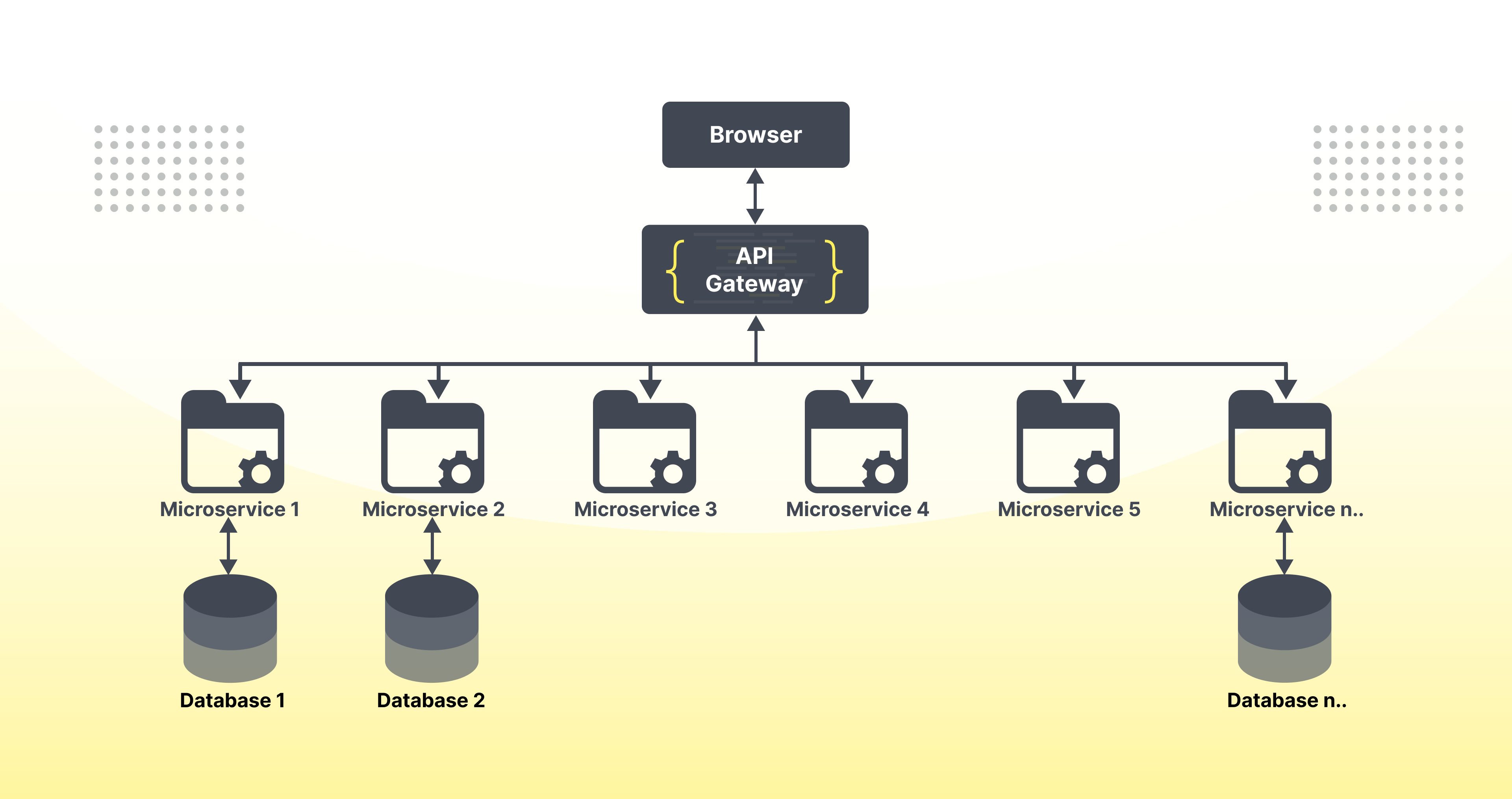
An API Gateway acts as a single -entry point for clients trying to access a system with multiple microservices. It routes requests to the appropriate microservice, handles security, and can aggregate data from various services before returning it to the client.
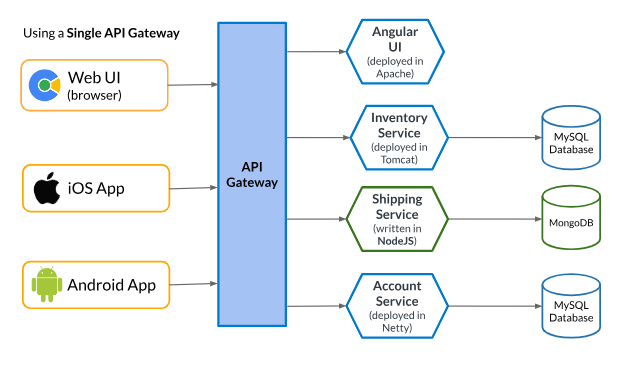
Instead of a single API Gateway for all clients, a BFF creates a dedicated API tailored to the specific needs of each frontend application. This allows for optimized data formatting and functionality specific to each client.
This pattern breaks down a user interface into reusable components. These components can be independently developed, maintained, and potentially even used across different applications.
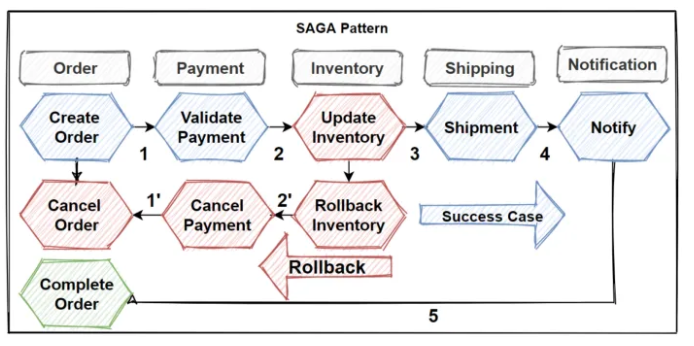
One of the biggest problems with microservices architecture is how to work around transactions that span multiple services. The saga pattern can help with this. Saga allows developers to manage eCommerce transactions across multiple microservices using a sequence of local transactions. Each of these is accompanied by an event that will trigger the next stage.
This architecture relies on events to trigger actions within the system. Microservices publish events when something happens, and other interested services can subscribe and react accordingly. RESTful APIs can be used to publish and subscribe to these events.
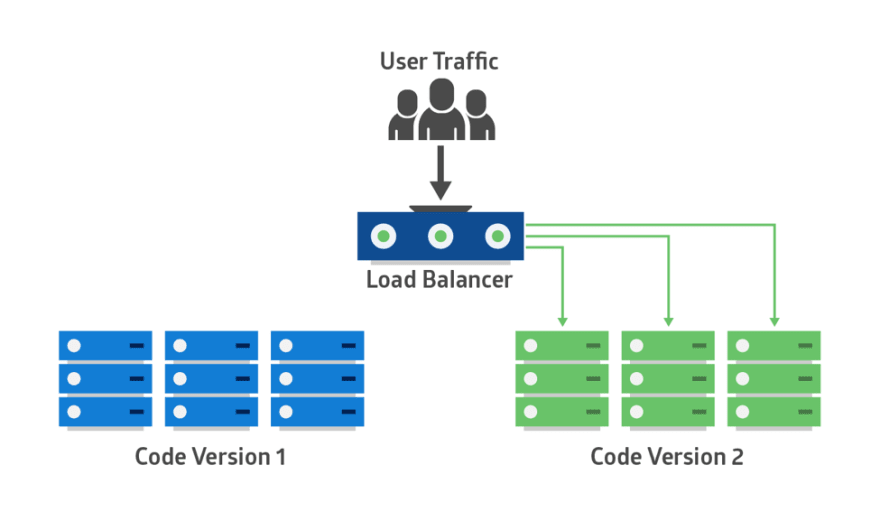
This pattern involves always running two identical production environments: blue and green. At any one time, only one of these environments is operational and handling all production traffic. A developer can upload a new version of the service to the inactive environment whenever they're ready to do so. In this manner, testing may be done by developers without affecting service. The new version of the software is introduced into the live environment once it is ready. The previous version stops working but keeps running. The service can revert to the previous version if the new one encounters any issues.
This architecture relies on events to trigger actions within the system. Microservices publish events when something happens, and other interested services can subscribe and react accordingly. RESTful APIs can be used to publish and subscribe to these events.
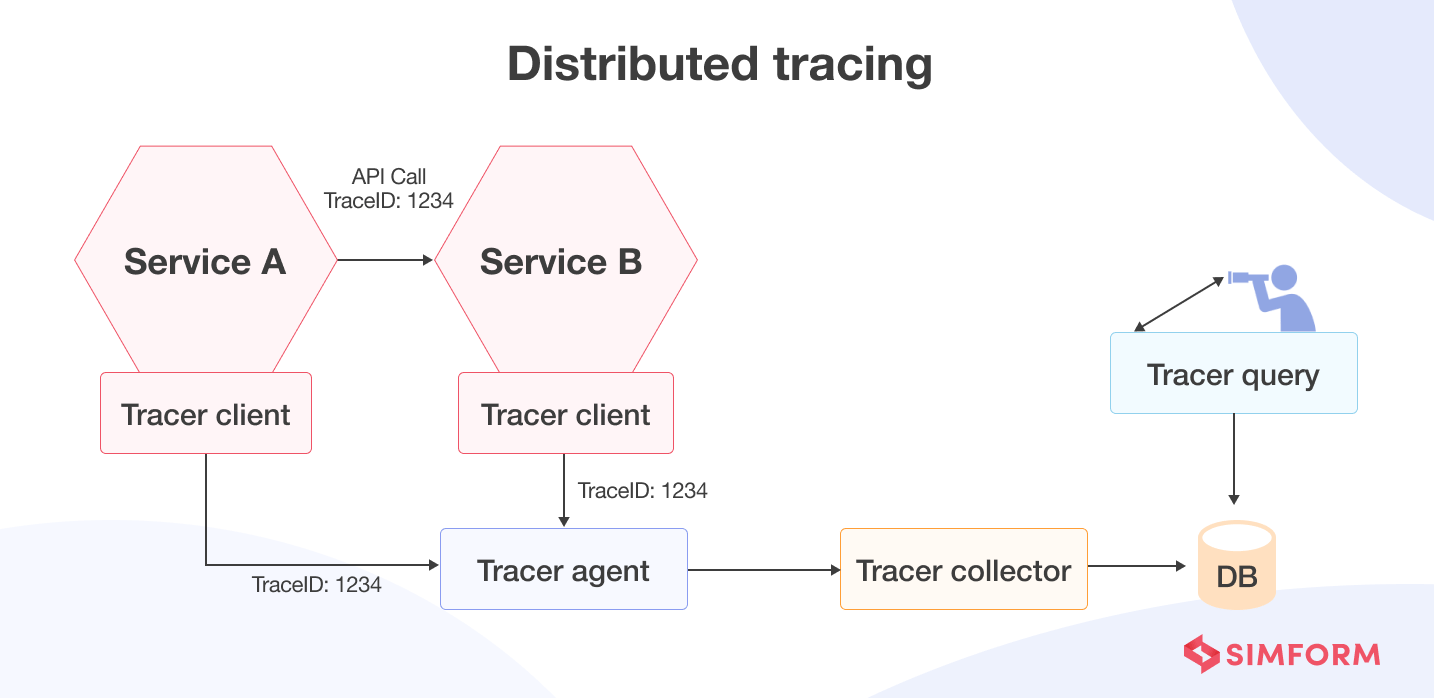
In conclusion, best practices and patterns in RESTful API design play a crucial role in the successful implementation of microservices architecture. By adhering to RESTful principles and leveraging design patterns tailored to microservices environments, organizations can build scalable, flexible, and maintainable systems. These best practices and patterns empower organizations to embrace the full potential of microservices architecture, facilitating agility, resilience, and innovation in software development. As technology continues to evolve, continuous refinement and adaptation of these principles and patterns will be essential to meet the ever-changing demands of the modern software ecosystems.

API Design
In today's rapidly evolving digital landscape, organizations are constantly striving to accelerate development, enhance their offerings, and maintain a competitive edge. A critical, yet often overlooked, aspect of achieving these goals lies in the ability to truly see and understand digital assets.

Prabath Ariyarathna
13 February 2026
Read More
API Design
We're thrilled to unveil our latest Xapi platform update, bringing a more intuitive API design experience, tooling enhancements, and a smarter way to govern externally designed APIs. These new capabilities make API design and governance more accessible, more powerful, and more flexible than ever before.

Shamali Sathindra
8 April 2025
Read More

API Design
Every organization wants well-designed APIs, but the key is turning business needs into carefully crafted APIs that perfectly match their main business objectives.
Prabath Ariyarathna
17 February 2025
Read More


