
The Xapi Community is a vibrant network of Xapi Platform users from around the globe: collaborating, innovating, and advancing together towards a more robust API design and governance ecosystem.

Copyright © 2026 X-Venture. All Rights Reserved.

Oshini Wijewickrama
02 July, 2024
|8 min read
In the dynamic realm of software development, Application Programming Interfaces (APIs) serve as the glue that seamlessly connects various applications and services. Ensuring the integrity and functionality of these APIs is paramount, and API mocking emerges as a powerful technique to achieve this objective.
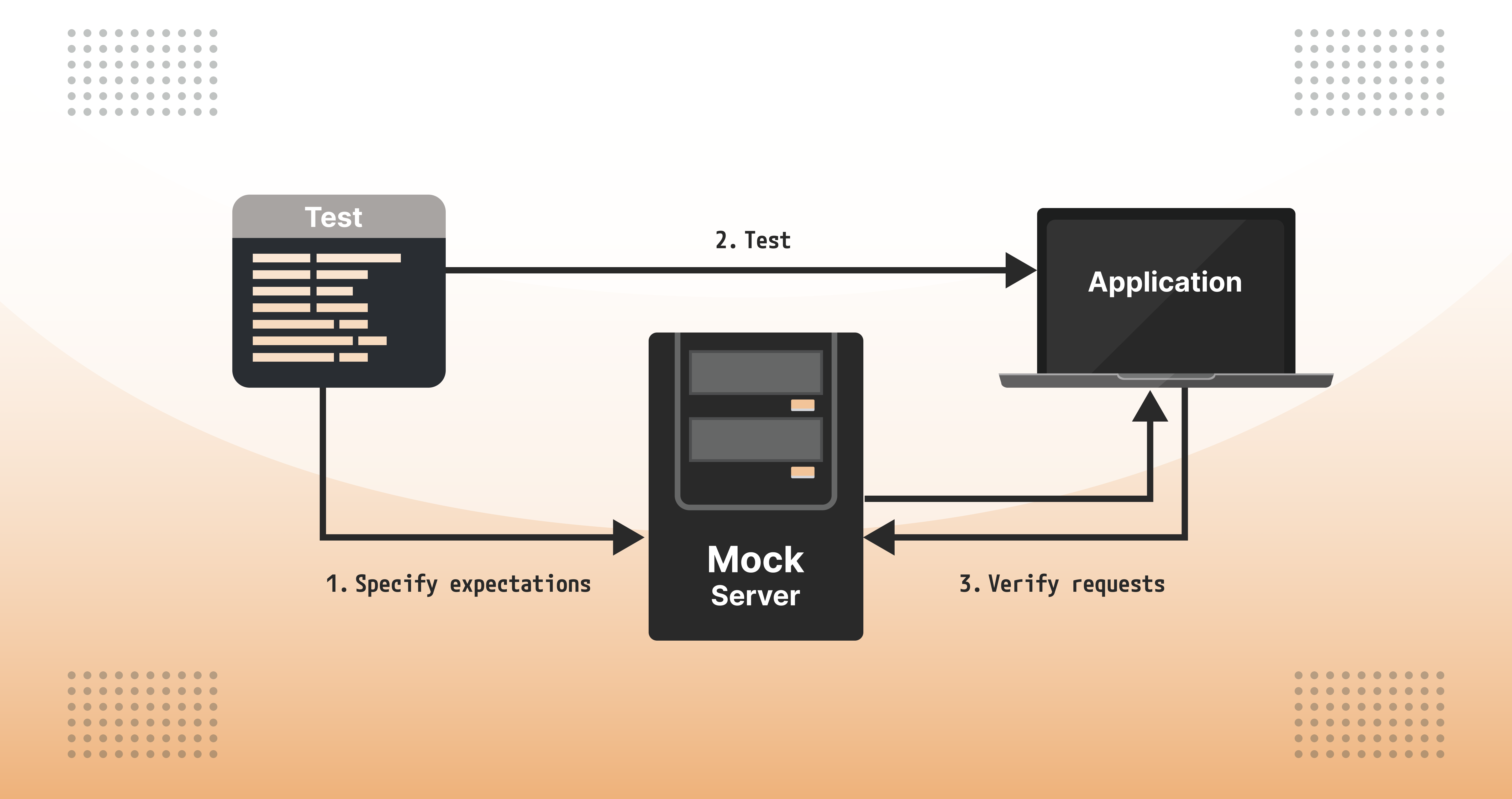
API mocking entails creating a simulated version of a real API that mimics its behaviour and responses. This simulated API, fondly referred to as a ‘mock API’, functions as a standalone entity, decoupled from the actual API. It empowers developers and testers to conduct thorough testing in a controlled environment, independent of external dependencies and potential delays.
Mock data is a fundamental aspect of API mocking. It involves creating synthetic data that mimics the structure and characteristics of real data. This data is used to simulate the responses that an actual API would provide.
Developers and testers can use mock data to create various scenarios, including edge cases, to ensure the application handles all possible situations.
By using predefined mock data, testing can be consistent and repeatable, leading to more reliable and predictable results.
Mock data allows development and testing to proceed independently of the real API, which might be under development or not yet available.
Mock APIs liberate developers from the constraints of relying on real APIs that might be unavailable during the early stages of development. They can begin testing their application's logic and functionality right away, accelerating the development lifecycle.
By simulating a wide range of scenarios, mock APIs enable testers to delve into intricate edge cases that might be difficult or impractical to replicate with the real API. This comprehensive testing fosters the creation of more robust and resilient applications.
Mock APIs shield development and testing efforts from the volatility of real-world APIs. They aren't susceptible to unexpected outages or slow response times, guaranteeing a consistent and reliable testing environment.
Mock APIs enable testers to isolate the application under test (AUT) from external dependencies. This isolation empowers them to meticulously pinpoint the root cause of issues, leading to more efficient debugging and troubleshooting.
By providing a readily available testing environment, mock APIs streamline collaboration between development and testing teams. Developers can construct mock APIs to accurately represent the APIs they plan to integrate, fostering better communication and understanding.
Imagine you are developing an eCommerce application that interacts with a user API to retrieve user information. Let's explore how API mocking can streamline the testing process!
Test the functionality of your application's user profile page, which fetches user details based on a unique user ID. The real user API might not be readily available during development, or you might want to simulate various user scenarios such as active and inactive.
The mock API configuration can be defined using a variety of tools and formats. It specifies how the mock API should respond to requests for user information. This configuration can include:
/users/{userId} — the mock API intercepts calls to this endpoint.
GET — the mock API responds to GET requests.
Custom responses for active and inactive user scenarios.
openapi: 3.1.0
info:
  title: Mock User API
  description: A mock API to demonstrate user information retrieval
  version: 1.0.0
paths:
  /users/{userId}:
    get:
      summary: Get user information
      parameters:
        - name: userId
          in: path
          required: true
          schema:
            type: string
      responses:
        '200':
          description: Successful response for active user
          content:
            application/json:
              example:
                userId: 12345
                name: John Doe
                status: active
        '404':
          description: User not found
          content:
            application/json:
              example:
                message: User not found
                status: inactive
{
  "openapi": "3.1.0",
  "info": {
    "title": "Mock User API",
    "description": "A mock API to demonstrate user information retrieval",
    "version": "1.0.0"
  },
  "paths": {
    "/users/{userId}": {
      "get": {
        "summary": "Get user information",
        "parameters": [
          {
            "name": "userId",
            "in": "path",
            "required": true,
            "schema": { "type": "string" }
          }
        ],
        "responses": {
          "200": {
            "description": "Successful response for active user",
            "content": {
              "application/json": {
                "example": {
                  "userId": "12345",
                  "name": "John Doe",
                  "status": "active"
                }
              }
            }
          },
          "404": {
            "description": "User not found",
            "content": {
              "application/json": {
                "example": {
                  "message": "User not found",
                  "status": "inactive"
                }
              }
            }
          }
        }
      }
    }
  }
}
By leveraging a mock API, you can effectively test your application's user profile functionality without relying on the real user API. This empowers you to identify and address potential issues early in the development process, leading to a more robust and reliable application.
In conclusion, API mocking offers a valuable technique for streamlining API testing, fostering faster development cycles, and ultimately delivering high-quality software.
API Design
Every organization wants well-designed APIs, but the key is turning business needs into carefully crafted APIs that perfectly match their main business objectives.

Prabath Ariyarathna
17 February 2025
Read More
API Design
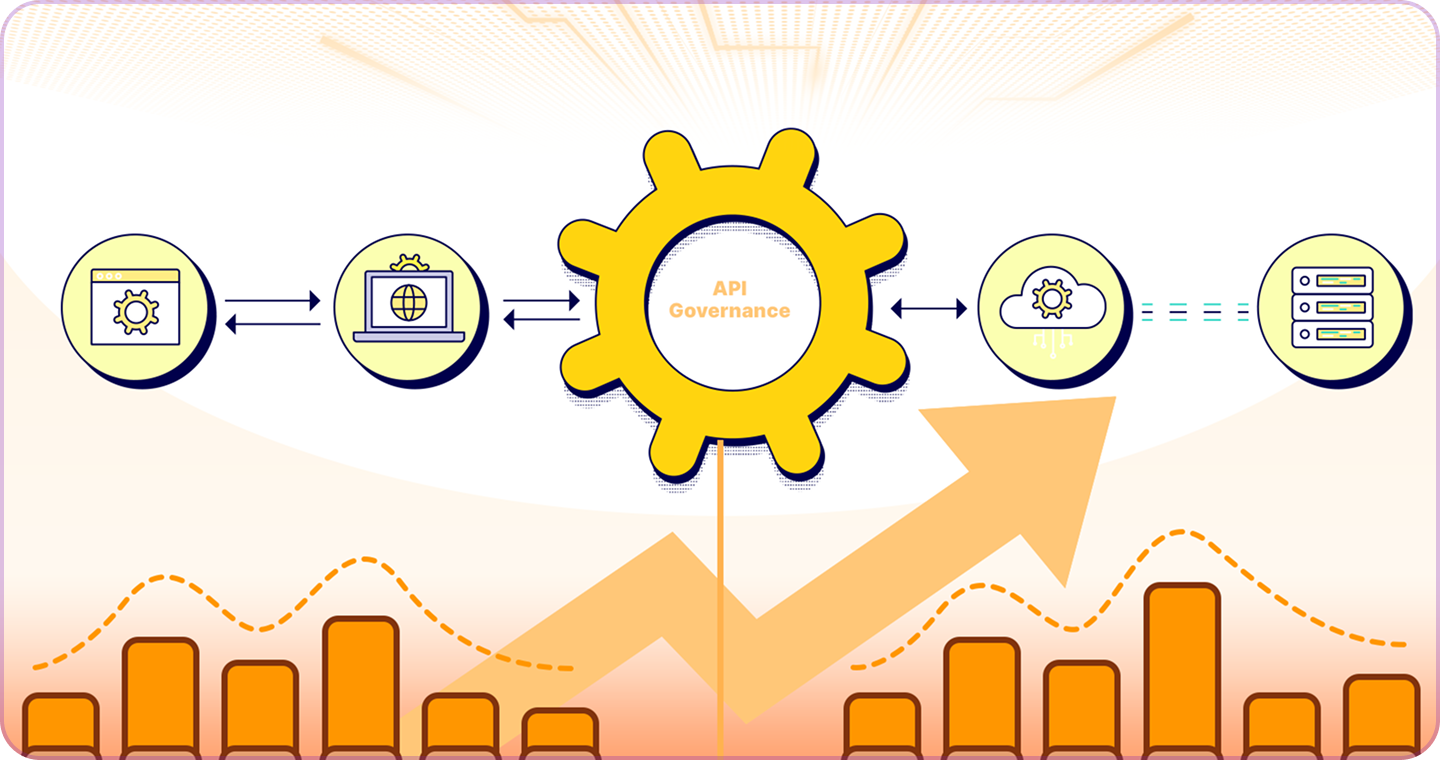
In today’s fast-paced digital world, an Application Programming Interface (API) is the silent force behind complex enterprise systems and mobile applications, among others. For organizations, APIs act as connectors between their internal systems, external partners, and third-party applications for easy integration.To manage this growing API ecosystem, **API governance tools** have become essential. The failure to utilize these tools to comply with regulatory norms, and increase security is a business opportunity that most organizations ignore. In this blog, we will examine how these governance tools help in scaling, streamline operations, cost-effective development, and encouraging creativity towards growth.

Oshini Dinethrie Wijewickrama
20 January 2025
Read More
API Design
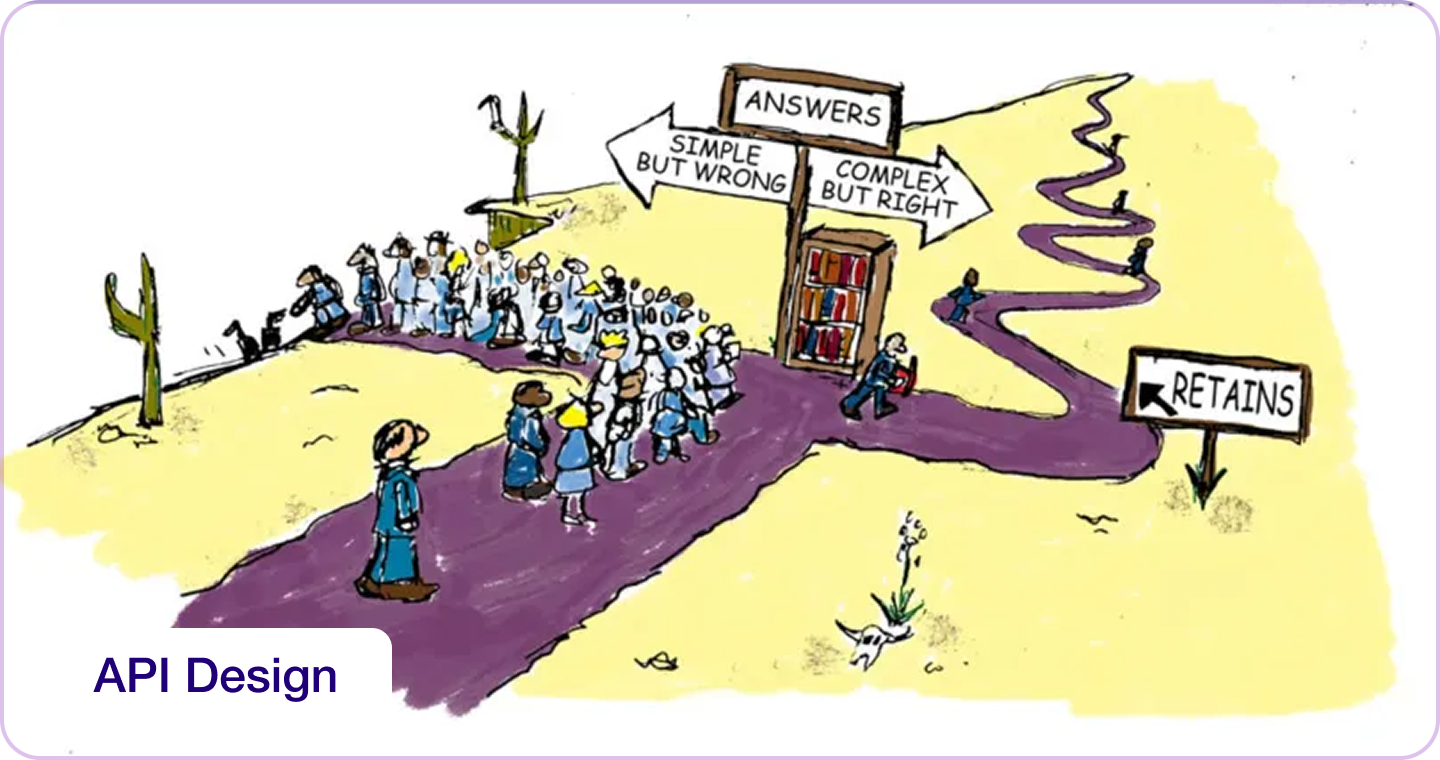
There is a common myth that good APIs are hard, but bad APIs are easy. But is that true? Let’s see how true this is. In this article, we will only focus on whether an API is good or bad based on its design. There could also be other reasons in other parts of the API lifecycle.
Prabath Ariyarathna
15 January 2025
Read More


